
About the Tallahassee Market
The Tallahassee, FL Metropolitan Statistical Area spans four counties — Leon, Gadsden, Wakulla, and Jefferson — anchored by the state capital city of Tallahassee (pop. ~196,000) plus a ring of smaller county-seat towns (Quincy, Crawfordville, Monticello) and unincorporated bedroom suburbs (Bradfordville, Woodville, Killearn Estates/Lakes). It is entirely outside Florida's HVHZ zone, is inland from direct hurricane landfall but still sees tropical-storm-force wind/rain, and combines dense live-oak canopy with pockets of coastal (Wakulla) and wildland-urban-interface (Apalachicola National Forest) exposure. Housing stock ranges from antebellum/Victorian historic districts in Quincy, Monticello, and Havana to mid-century brick ranches and newer master-planned subdivisions, with standing-seam and stone-coated steel shingle as the leading metal roof choices.
Counties Served
- Leon County
- Gadsden County
- Wakulla County
- Jefferson County
Weather Perils in the Tallahassee Area
- Frequent severe thunderstorms and lightning (Florida/the Big Bend region ranks among the highest lightning-strike density in the US)
- Hurricane and tropical-storm remnant wind/rain (inland but exposed to storms tracking up from the Gulf, e.g., Hurricane Michael 2018, Hurricane Idalia 2023, Hurricane Debby 2024)
- Heavy, humid-subtropical rainfall with high year-round precipitation and afternoon downpours
- Falling limbs/debris from mature live-oak canopy common throughout Tallahassee neighborhoods
- Occasional severe hail with spring/summer storm cells
- Elevated wildfire/WUI risk near the Apalachicola National Forest (Woodville, Crawfordville, parts of Wakulla/Leon)
- Coastal flooding, storm surge, and CCCL exposure in Wakulla's Gulf-adjacent communities (St. Marks, Panacea)
- Algae/mildew growth on roofing due to high humidity, requiring algae-resistant coatings
- Rare but disruptive winter ice/freeze events (notably January 2014 and January 2025 ice storms)
Building & Permitting Notes
Popular Home Styles
- Southern Traditional / Colonial Revival
- Brick Ranch (mid-century, common in Killearn Estates and older Tallahassee suburbs)
- Craftsman / Bungalow (Betton Hills, Myers Park, Havana, Quincy historic districts)
- Low Country / Farmhouse (newer Bradfordville and Crawfordville subdivisions)
- Antebellum / Greek Revival and Victorian (Monticello, Quincy, Havana historic districts)
- New Urbanist / Traditional Neighborhood Design (SouthWood, Bannerman Crossings)
- Georgian and Federal-influenced estate homes (Golden Eagle Plantation, Waverly Hills)
Top Metal Roof Types in Tallahassee
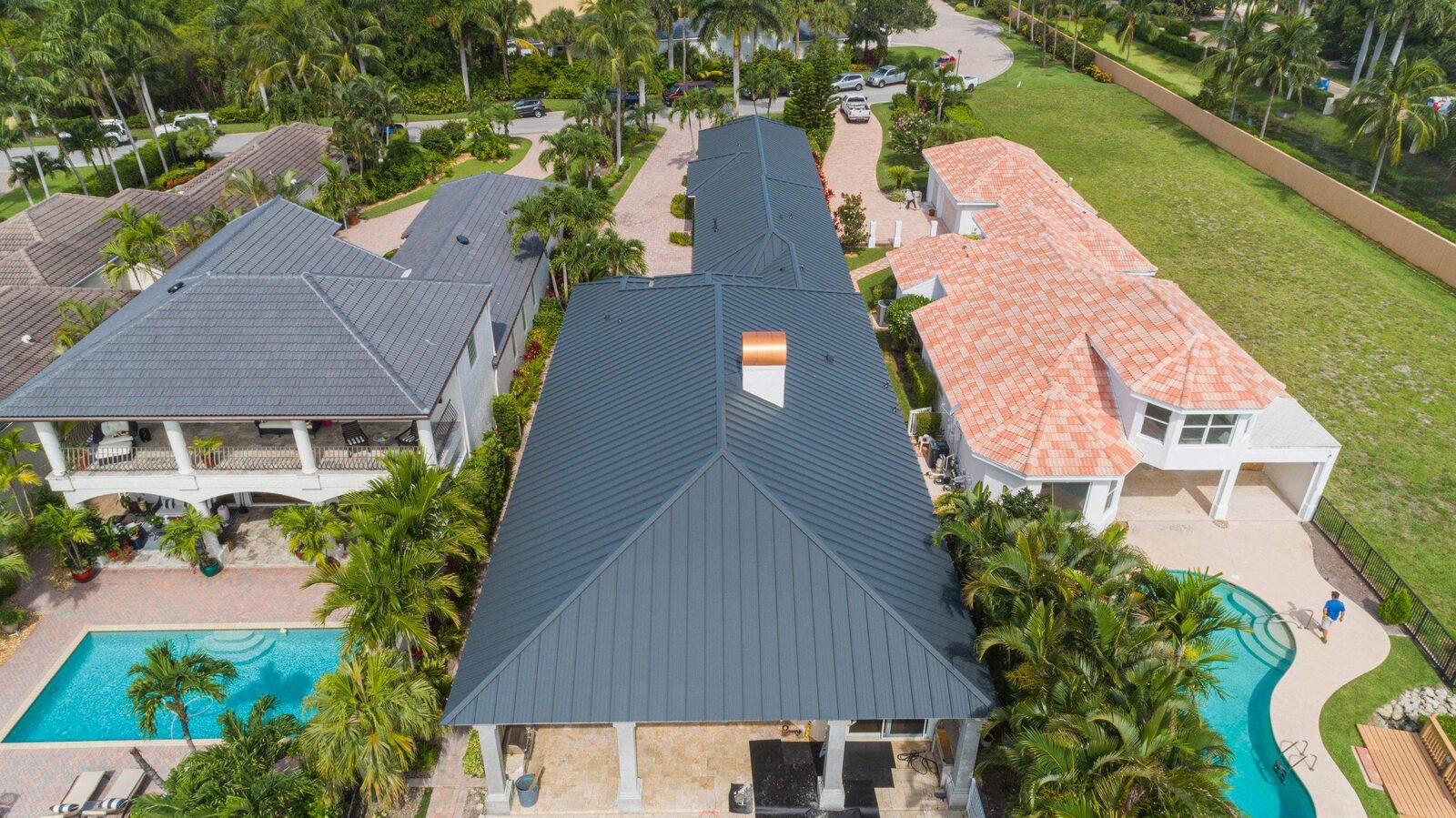
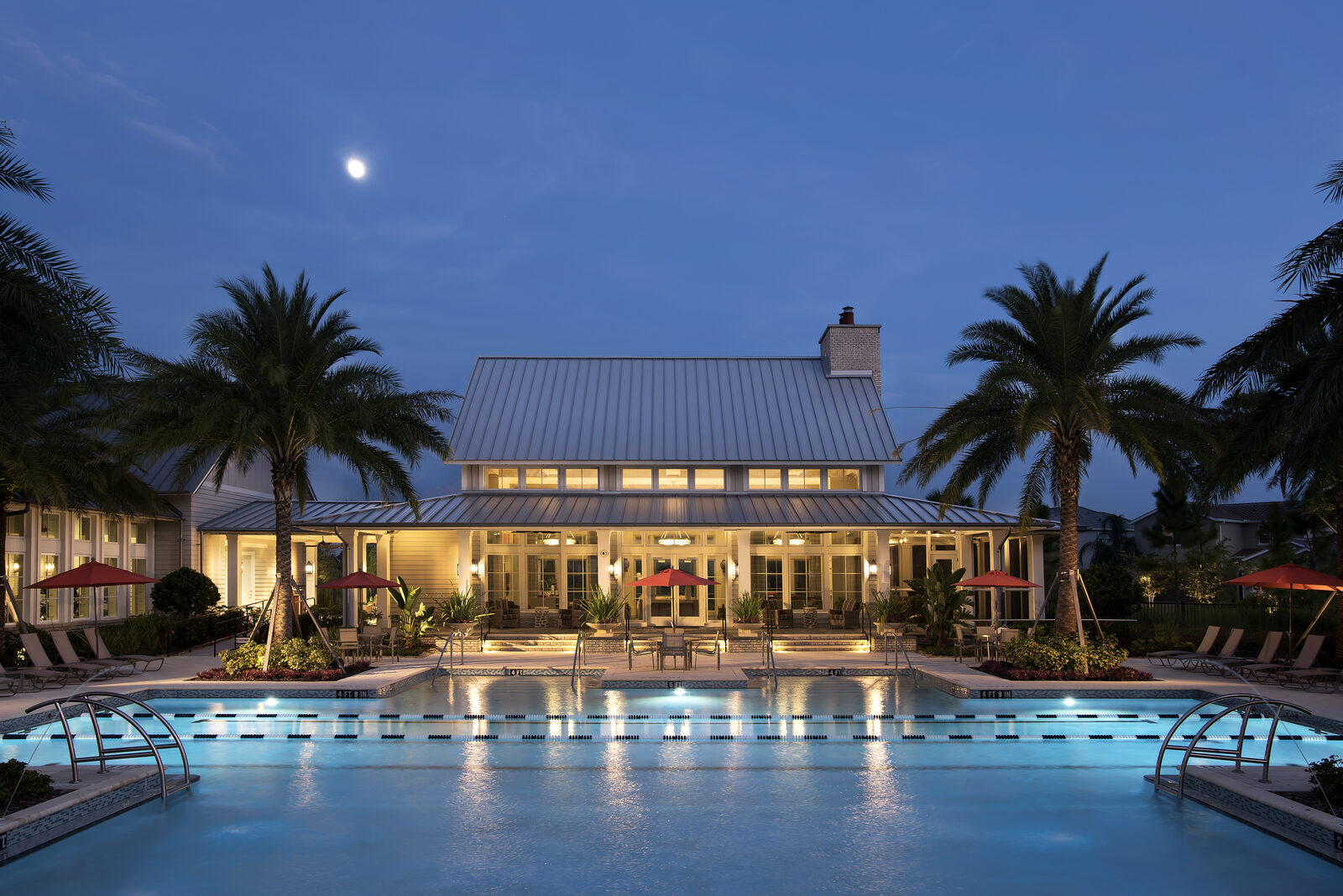
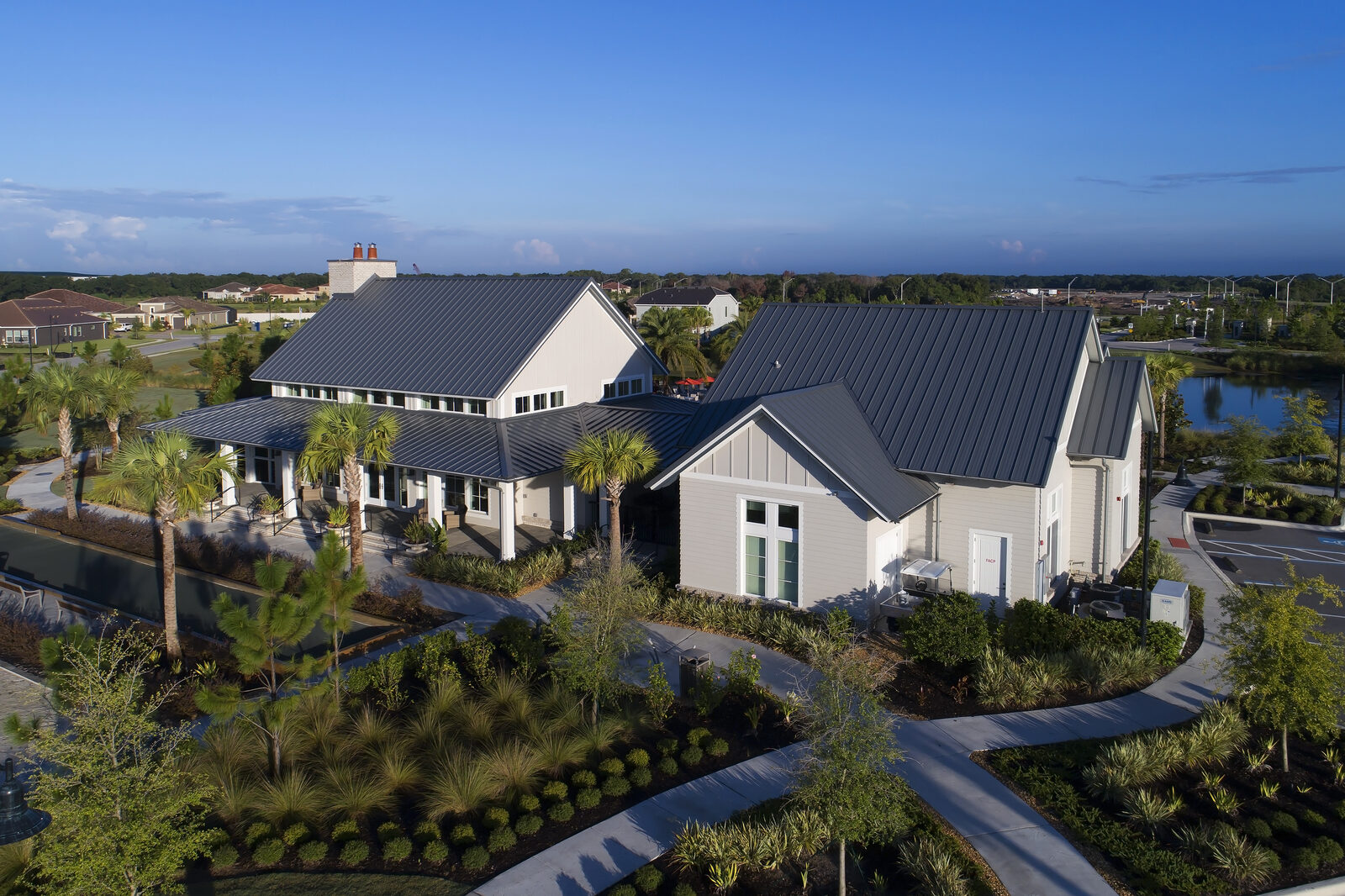
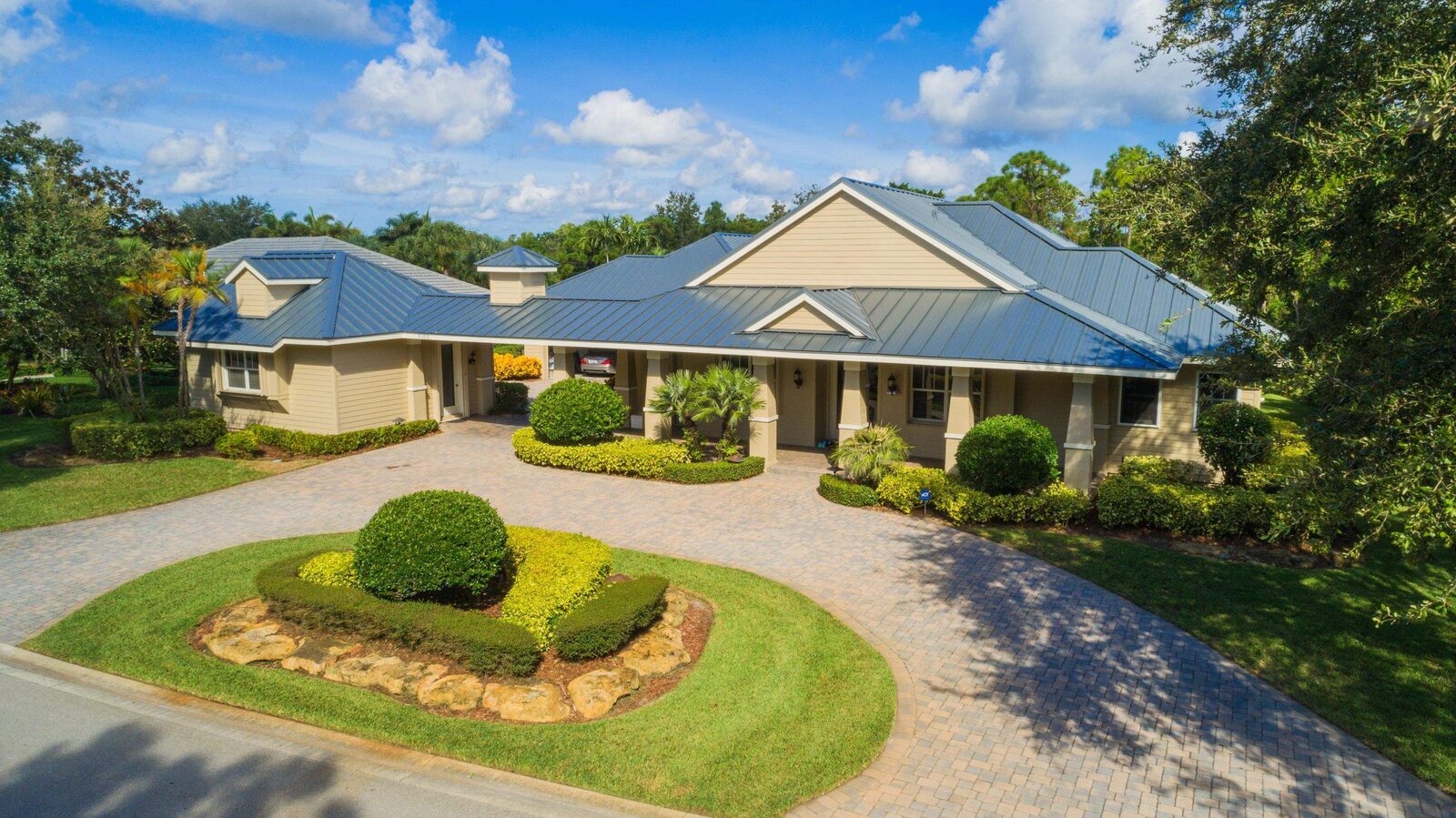
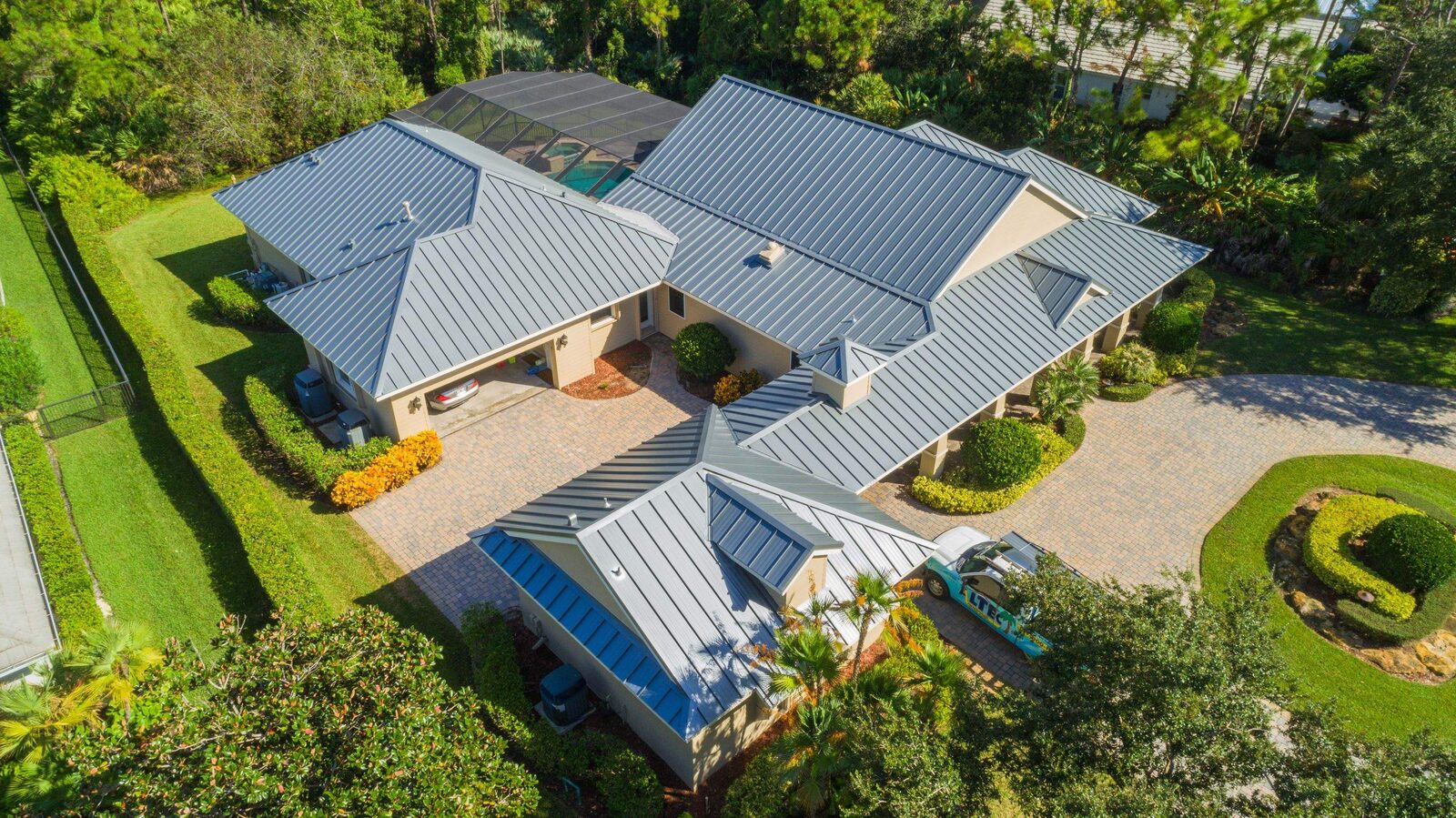
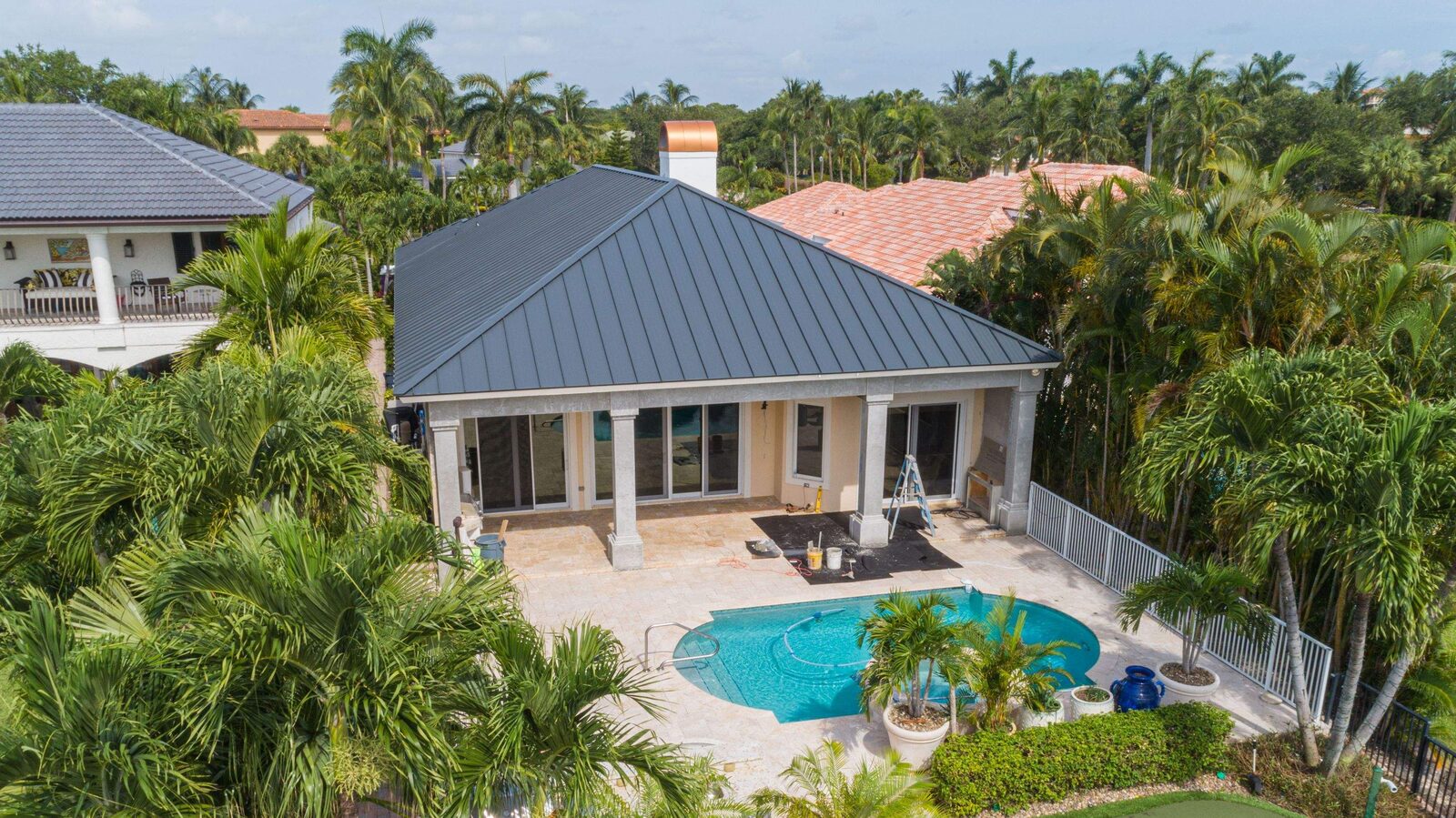
- Standing seam steel (26-gauge, Kynar 500/PVDF finish) — the dominant premium choice for its clean water-shedding under heavy tree canopy and long service life
- Stone-coated steel shake/shingle panels (e.g., Decra-style) — chosen to mimic traditional wood-shake or dimensional-shingle look in HOA-governed subdivisions
- Metal shingle/shake systems in historic districts (Quincy, Monticello, Havana) — used to visually match period roofing while meeting design-review guidelines
- Exposed-fastener corrugated/ribbed steel panels — common on outbuildings, barns, and rural-acreage homes in Woodville, Gadsden, and Jefferson counties
- Aluminum standing seam — specified in Wakulla's coastal/high-humidity areas (St. Marks, Panacea) for corrosion resistance
Cities We Serve in Tallahassee
Get a Free Metal Roofing Estimate in Tallahassee
Tell us about your project and a certified Sherwin MetalVue professional in your area will follow up with a free, no-obligation estimate.
Sherwin-Williams is not liable for the conduct, performance, or workmanship of any contractor.