
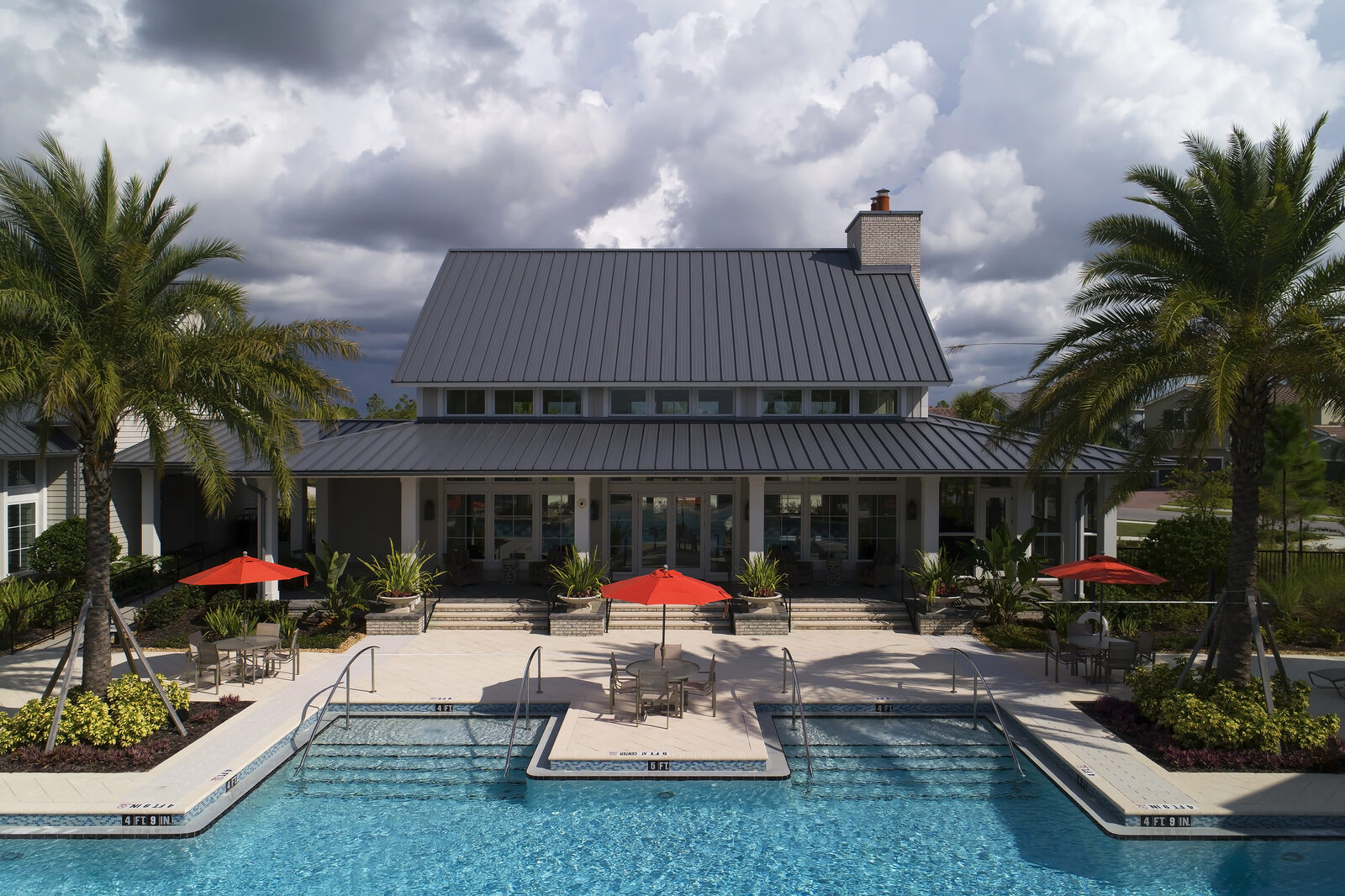
About the Houston Market
Greater Houston is a ~10,000 sq mi, 10-county metro (Harris, Fort Bend, Montgomery, Galveston, Brazoria, Chambers, Liberty, Waller, Austin, San Jacinto) anchored by the City of Houston and major suburban hubs Sugar Land, The Woodlands, Katy, Pearland, League City, Galveston, Texas City, Baytown, Conroe, Missouri City, Pasadena, and Friendswood. Houston has no general zoning code but enforces the 2021 IRC through Public Works; most suburbs permit independently. There is no HVHZ designation in Texas, but coastal Galveston/Brazoria/Chambers county communities fall in the TDI/TWIA windstorm catastrophe area requiring WPI-8 certification and face materially higher ASCE 7 design wind speeds than inland suburbs. Hurricanes, large hail, and bayou/floodplain flooding are the dominant climate perils shaping metal roofing demand (standing seam and Class 4 impact-rated panels lead), with many master-planned communities layering HOA/ACC architectural review on top of city/county permitting.
Counties Served
- Harris County
- Fort Bend County
- Montgomery County
- Galveston County
- Brazoria County
- Chambers County
- Liberty County
- Waller County
- Austin County
- San Jacinto County
Weather Perils in the Houston Area
- Hurricanes and tropical storm-force/hurricane-force straight-line winds (Gulf landfall exposure)
- Large-hail thunderstorms and severe convective storms (spring hail season)
- Wind-driven rain and roof-to-wall water intrusion during tropical systems
- Riverine and bayou flash flooding (post-Hurricane Harvey floodplain sensitivity across Harris/Fort Bend/Brazoria)
- Storm surge in coastal Galveston/Brazoria/Chambers county communities
- High UV and humidity driving coating/fade and corrosion considerations for metal panels
- Occasional tornadoes spun off from tropical systems and squall lines
- Salt-air corrosion exposure within a few miles of Galveston Bay and the Gulf
Building & Permitting Notes
Popular Home Styles
- Traditional/Colonial brick suburban homes (dominant across Katy, Sugar Land, Pearland subdivisions)
- Texas Hill Country-influenced stone-and-stucco style
- Craftsman bungalows (The Heights, Woodland Heights)
- Historic Victorian and Queen Anne (Galveston East End/Silk Stocking Historic Districts)
- Modern farmhouse (popular in newer Cinco Ranch, Cross Creek Ranch, Firethorne builds)
- French Country/European-inspired estate homes (River Oaks, Riverstone, Telfair)
- Ranch-style single-story homes (older Meyerland, Pasadena, Baytown neighborhoods)
- Coastal/piling elevated beach homes (Galveston West End, Bay Colony, League City waterfront)
- Contemporary/transitional builds in master-planned communities (Bridgeland, Grand Central Park)
Top Metal Roof Types in Houston
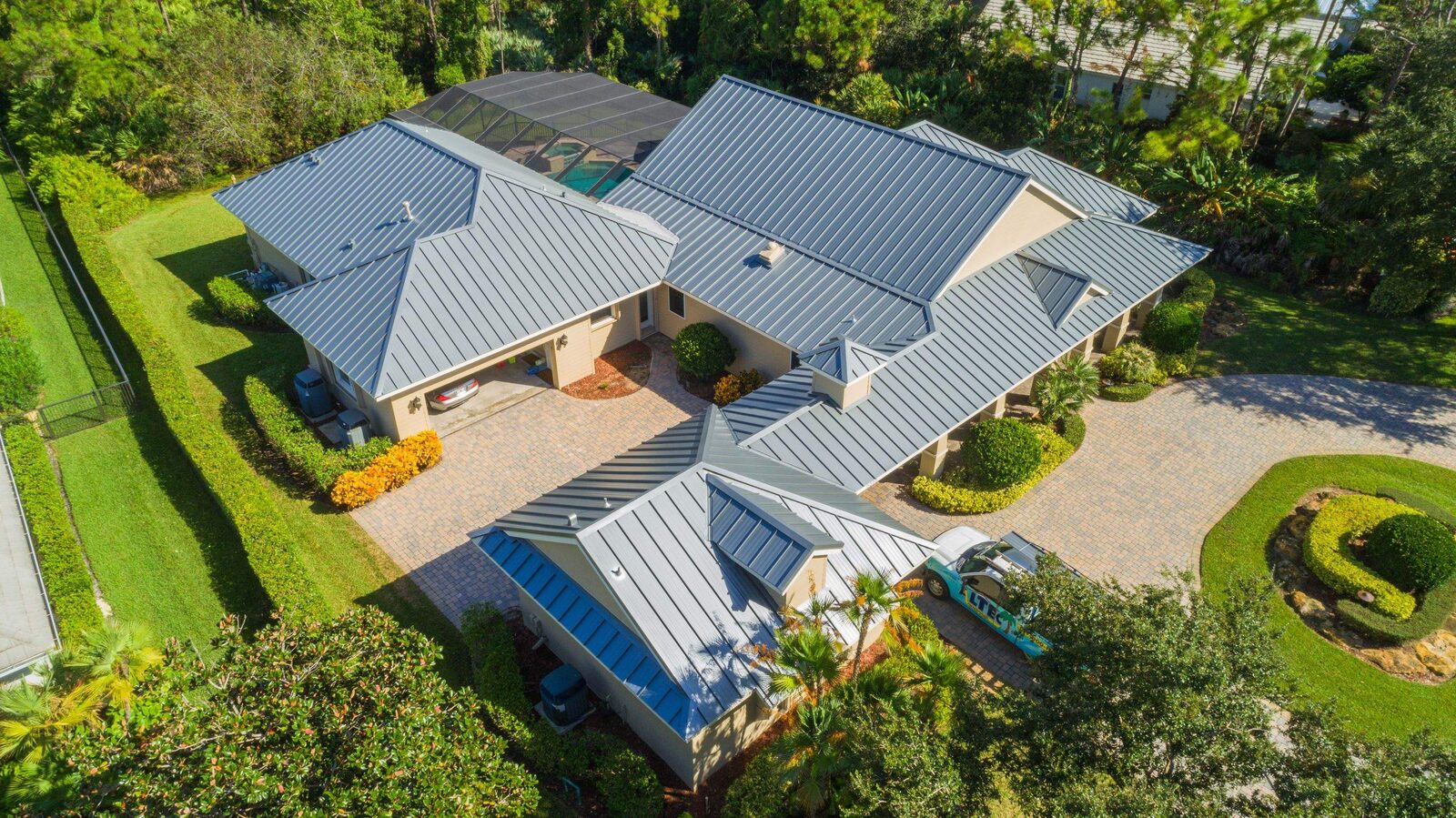
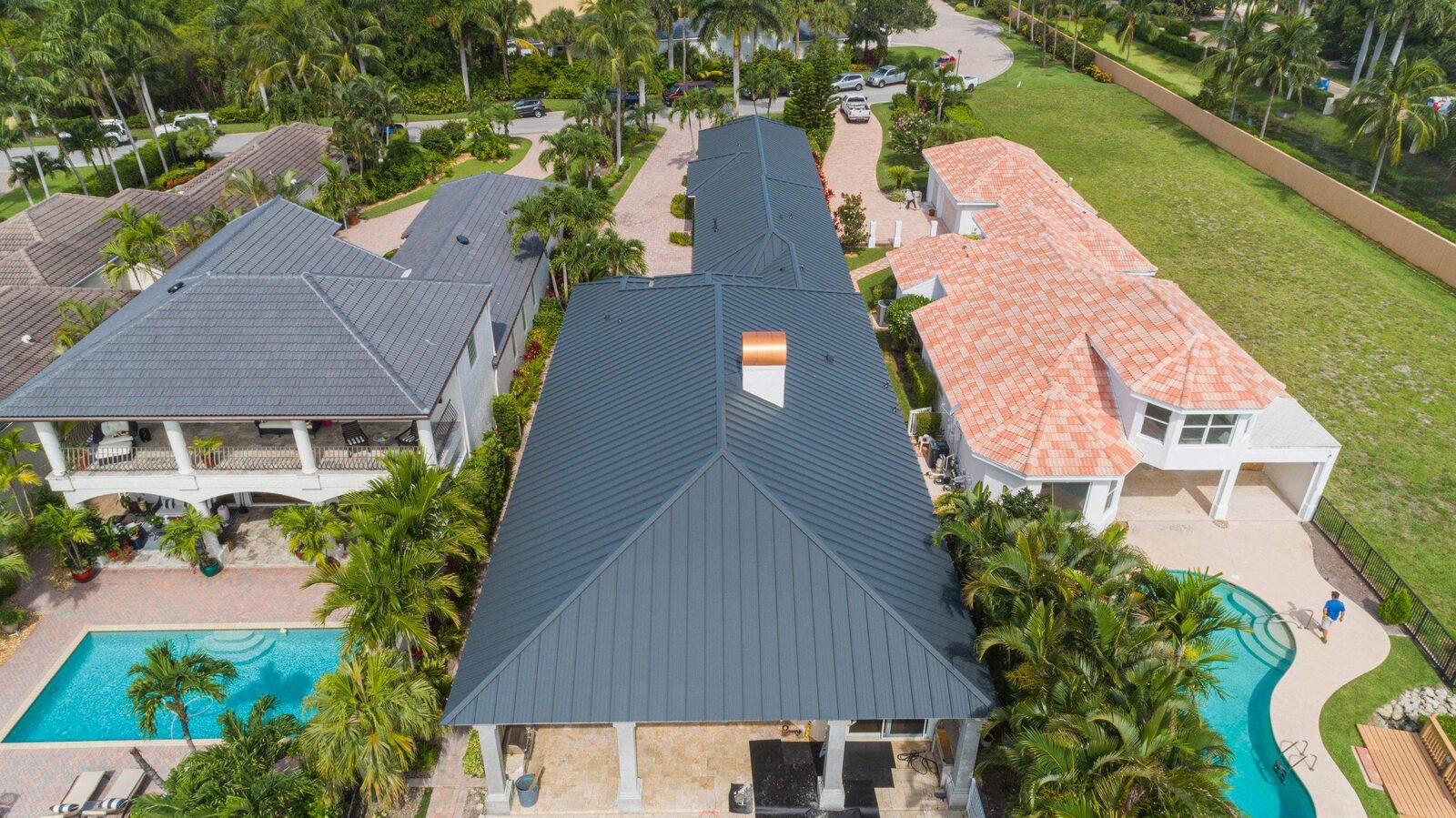
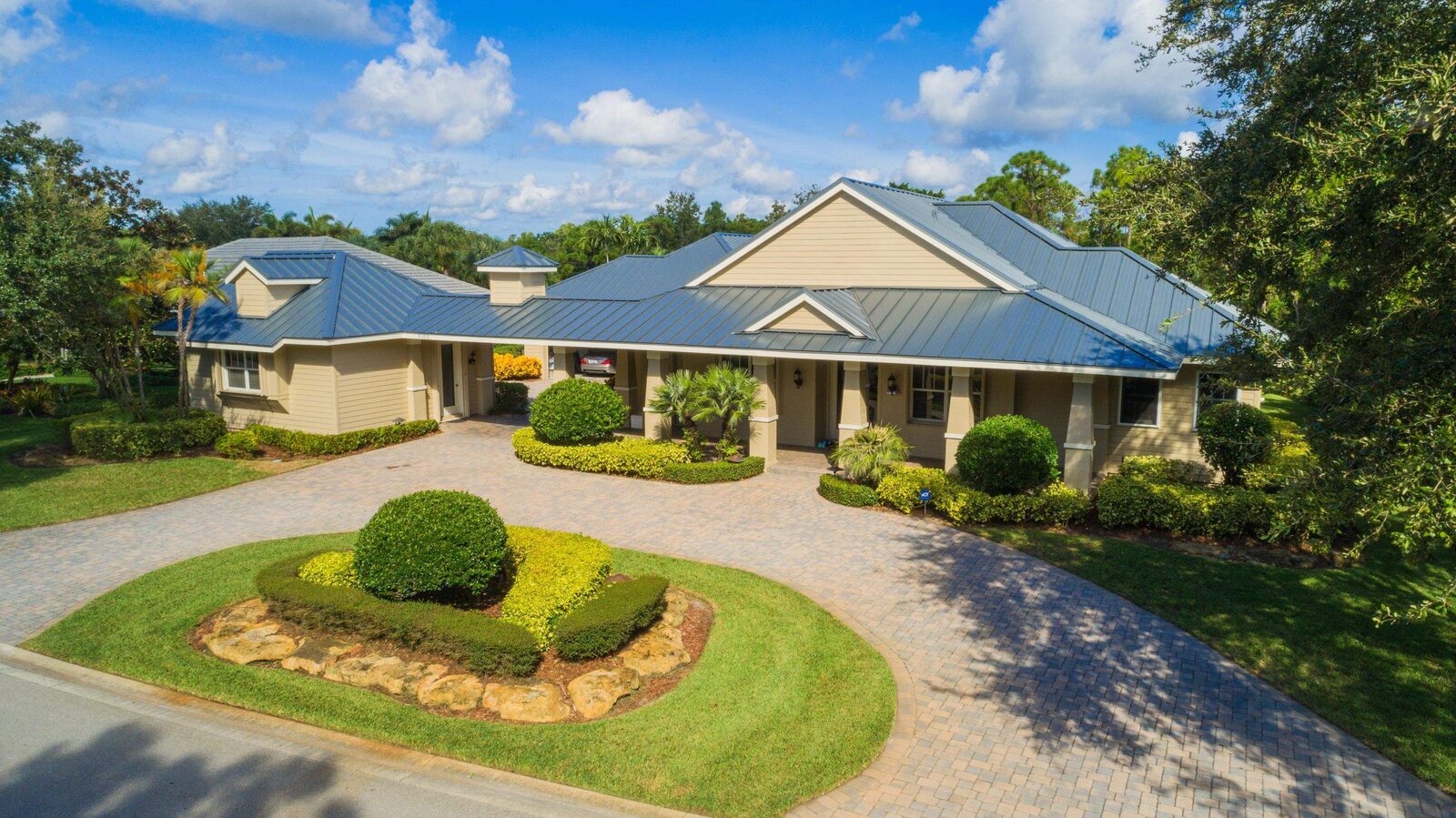
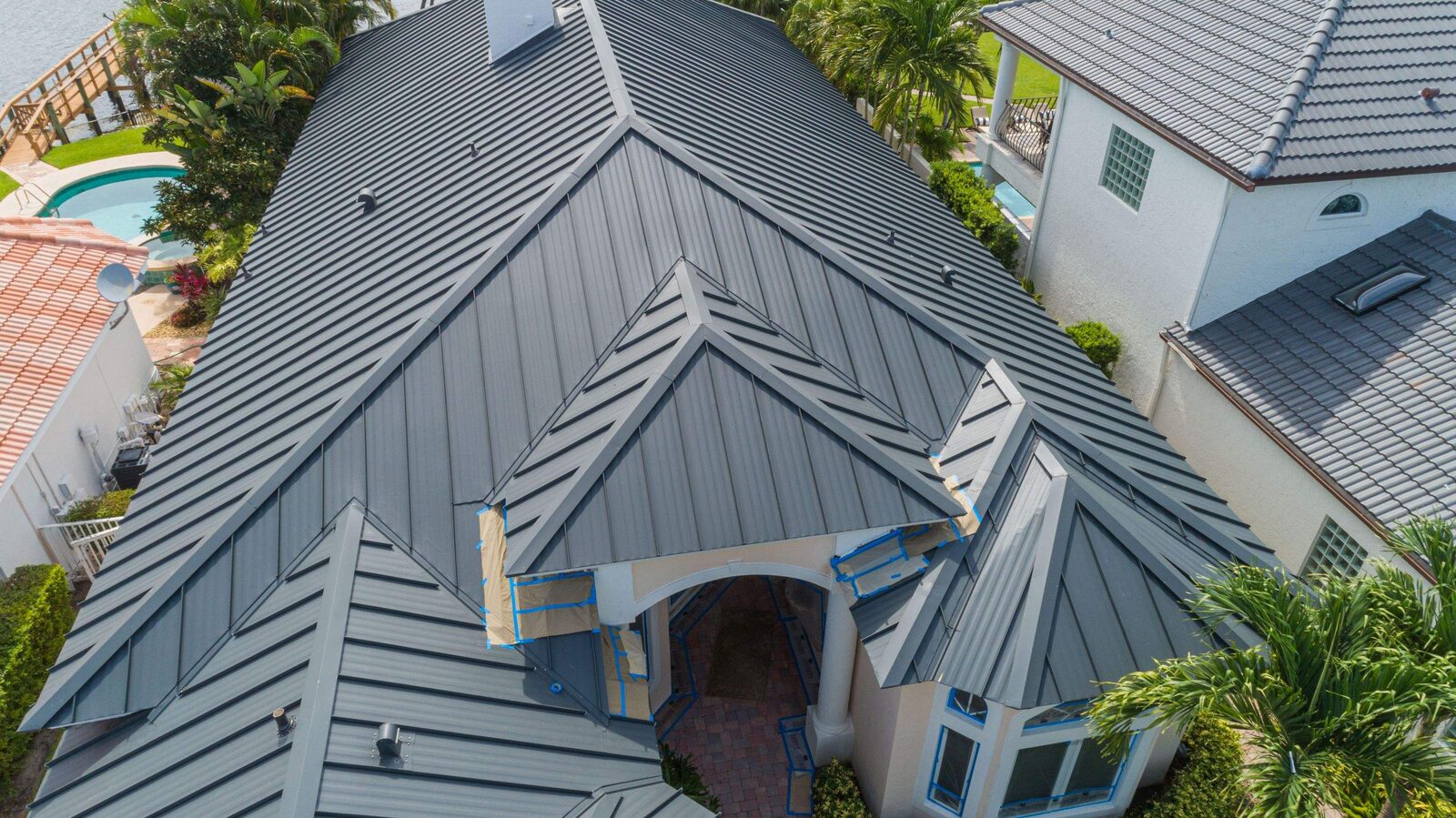
- Standing seam metal roofing (26-24 gauge steel, mechanically-seamed) — top choice metro-wide for wind and wind-driven-rain performance
- Stone-coated steel shingle/tile panels — popular where HOAs require a traditional shingle or tile look
- Metal shake/shingle profile panels — used in higher-end subdivisions wanting a dimensional look with hurricane and hail resistance
- Class 4 impact-rated steel panels — heavily marketed metro-wide for hail-prone Harris/Montgomery/Fort Bend counties to earn insurance premium discounts
- Aluminum standing seam — specified in coastal Galveston/Brazoria/Chambers county zones for superior corrosion/salt-air resistance versus bare steel
- Corrugated/exposed-fastener steel panels — common on garages, outbuildings, and budget re-roofs rather than primary residences
Cities We Serve in Houston
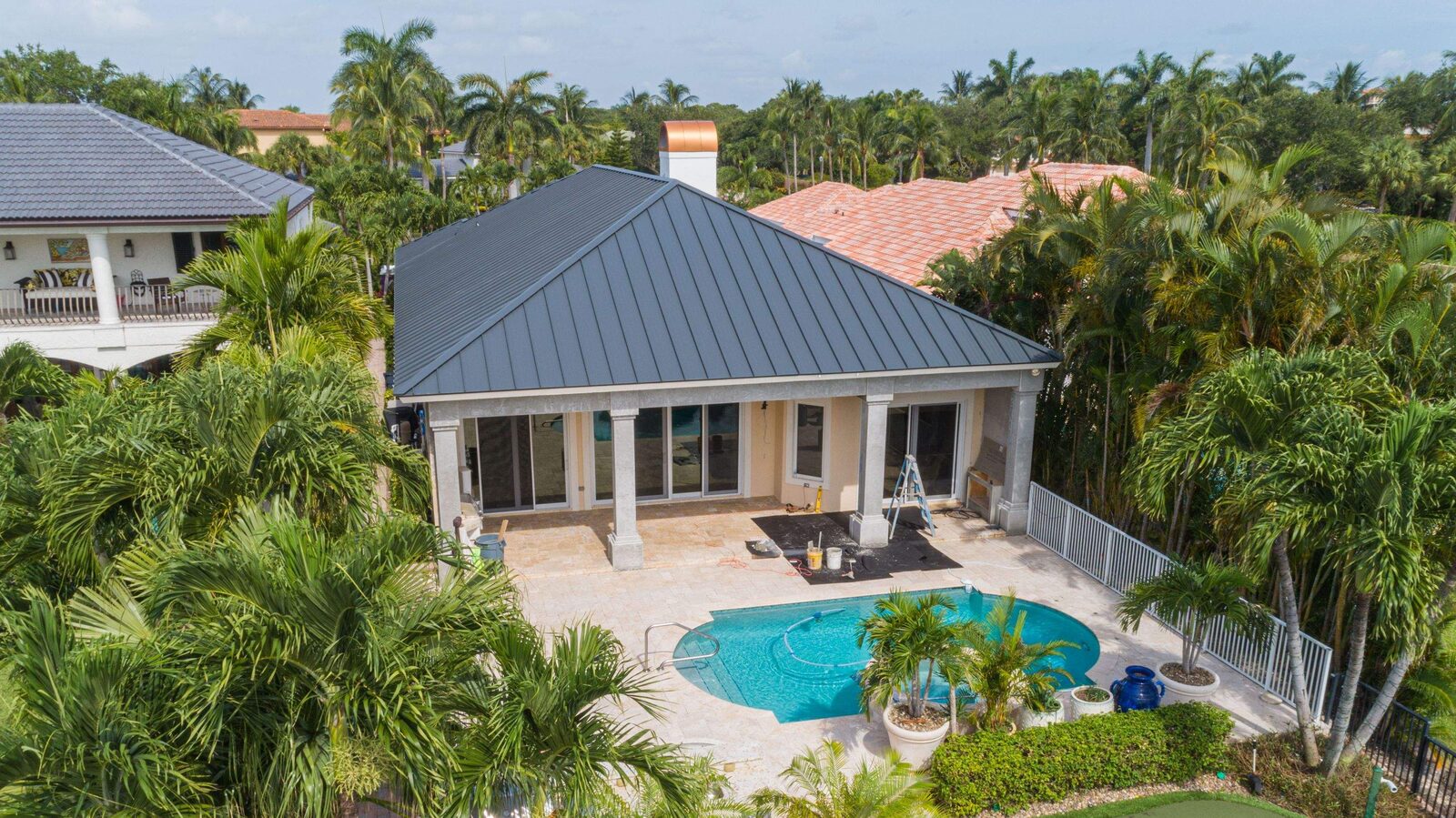
Baytown
Harris / Chambers counties · Suburb
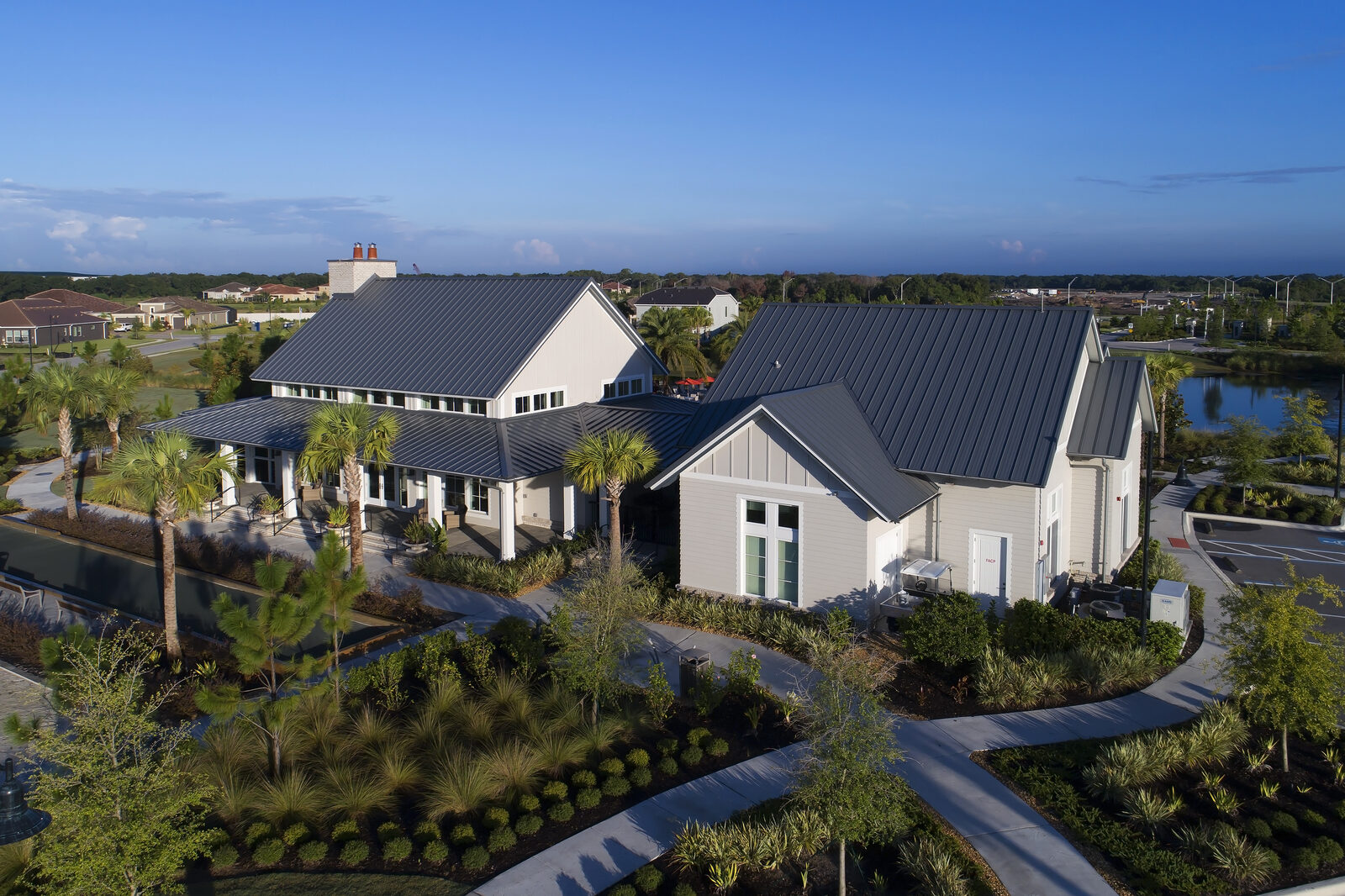
Conroe
Montgomery County · Suburb
Friendswood
Galveston / Harris counties · Suburb
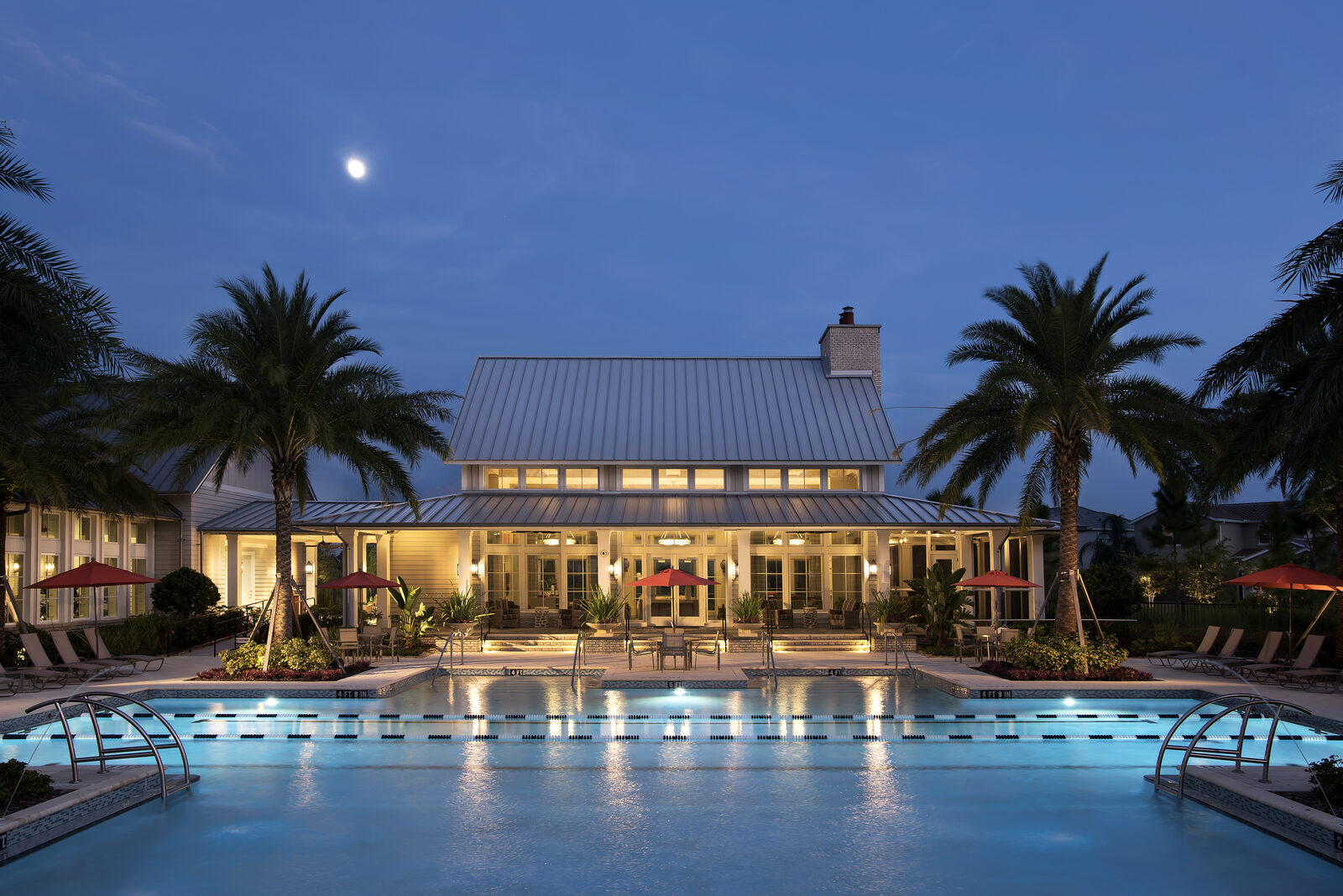
Galveston
Galveston County · Suburb
Houston
Harris County
Katy
Harris / Fort Bend / Waller counties (tri-county) · Suburb
League City
Galveston / Harris counties · Suburb
Missouri City
Fort Bend / Harris counties · Suburb
Pasadena
Harris County · Suburb
Pearland
Brazoria / Harris / Fort Bend counties · Suburb
Sugar Land
Fort Bend County · Suburb
Texas City
Galveston County · Suburb
The Woodlands
Montgomery County · Suburb
Get a Free Metal Roofing Estimate in Houston
Tell us about your project and a certified Sherwin MetalVue professional in your area will follow up with a free, no-obligation estimate.
Sherwin-Williams is not liable for the conduct, performance, or workmanship of any contractor.