
About the Corpus Christi Market
The Corpus Christi, TX Metropolitan Statistical Area (per current OMB delineation) comprises Nueces and San Patricio counties on the central Texas Gulf Coast. The metro is entirely within the Texas Department of Insurance seacoast/Tier 1 (catastrophe) windstorm area, meaning most new and re-roofed homes need windstorm inspection (WPI-8/WPI-8E) certification for wind-resistant construction to qualify for standard or Texas Windstorm Insurance Association (TWIA) coverage. Design wind speeds run roughly 140-150 mph ultimate (Vult, Risk Category II, per IRC/ASCE 7 as locally amended), among the highest in the state. Housing ranges from brick ranch homes and mid-century bungalows in central Corpus Christi to elevated coastal/piling construction on Mustang and Padre Islands and in bayfront San Patricio County towns, plus newer suburban stucco/brick construction in Portland, Calallen, and Flour Bluff. Nearby Aransas County (Rockport/Fulton) and Live Oak/Bee counties border the metro and share similar coastal-wind and roofing conditions but are not part of the current 2-county Corpus Christi MSA.
Counties Served
- Nueces County
- San Patricio County
Weather Perils in the Corpus Christi Area
- Atlantic hurricanes and tropical storms making direct Gulf landfall (e.g., Hurricane Harvey 2017 struck the Coastal Bend near Rockport/Port Aransas with 130+ mph winds; earlier storms include the catastrophic 1919 and 1916 hurricanes)
- Sustained high coastal wind loads and gusts even outside named storms (Gulf-facing exposure)
- Large hail events, part of the South/Central Texas hail corridor
- Storm surge and coastal/bay flooding, especially on Mustang Island, North Padre Island, and Ingleside on the Bay
- Salt-air corrosion on immediate bayfront/beachfront properties
- Intense summer UV load and extreme heat (humid subtropical climate)
- Occasional tornadoes spun off from tropical systems or frontal activity
Building & Permitting Notes
Popular Home Styles
- Single-story brick ranch (dominant style across mid-century Corpus Christi neighborhoods)
- Spanish/Mediterranean Revival (stucco, tile-look rooflines, common in older Corpus Christi neighborhoods and upscale coastal builds)
- Elevated coastal/piling homes (Port Aransas, Mustang Island, Padre Island, Ingleside on the Bay)
- Craftsman-era bungalows (older central Corpus Christi neighborhoods)
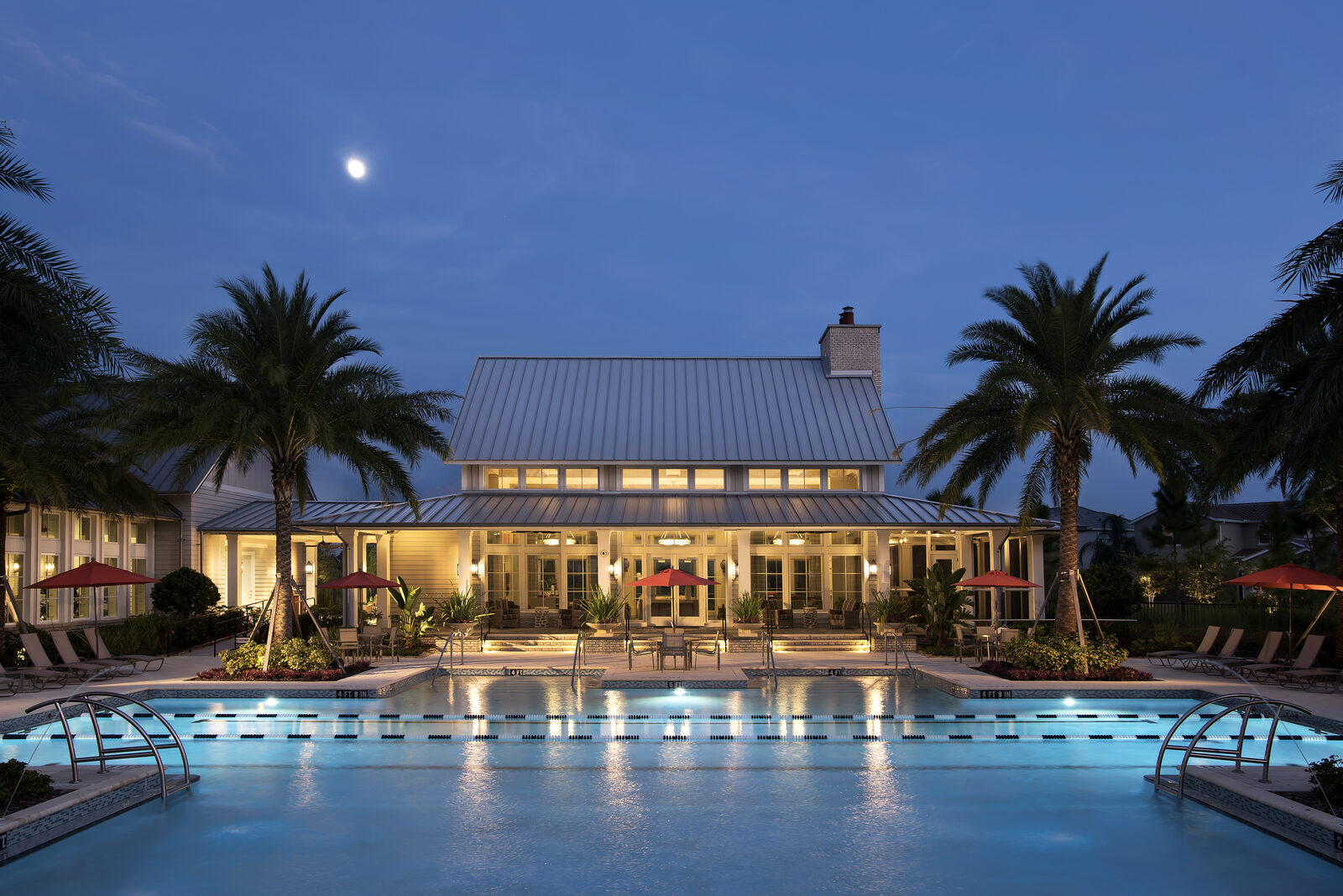
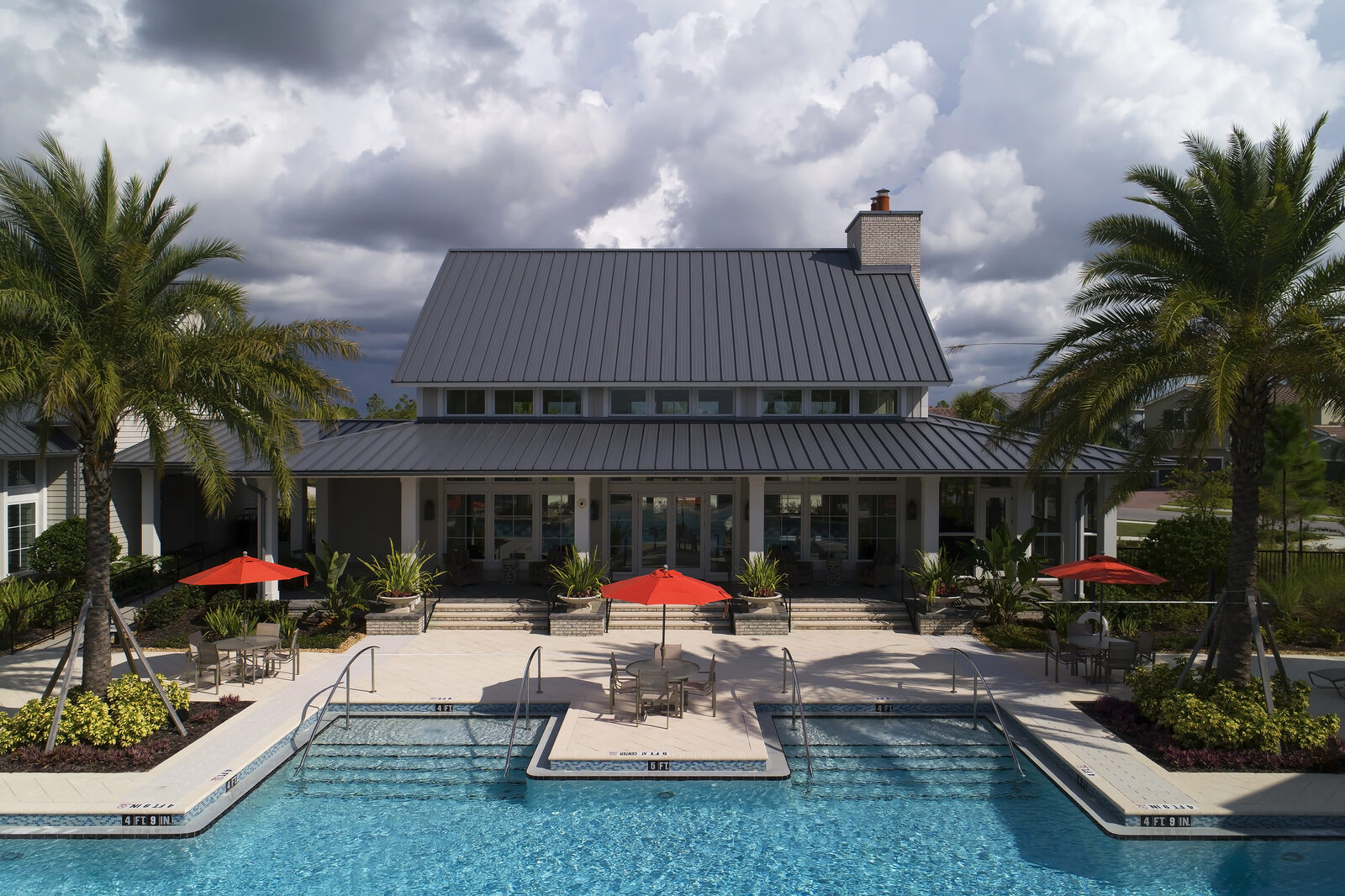
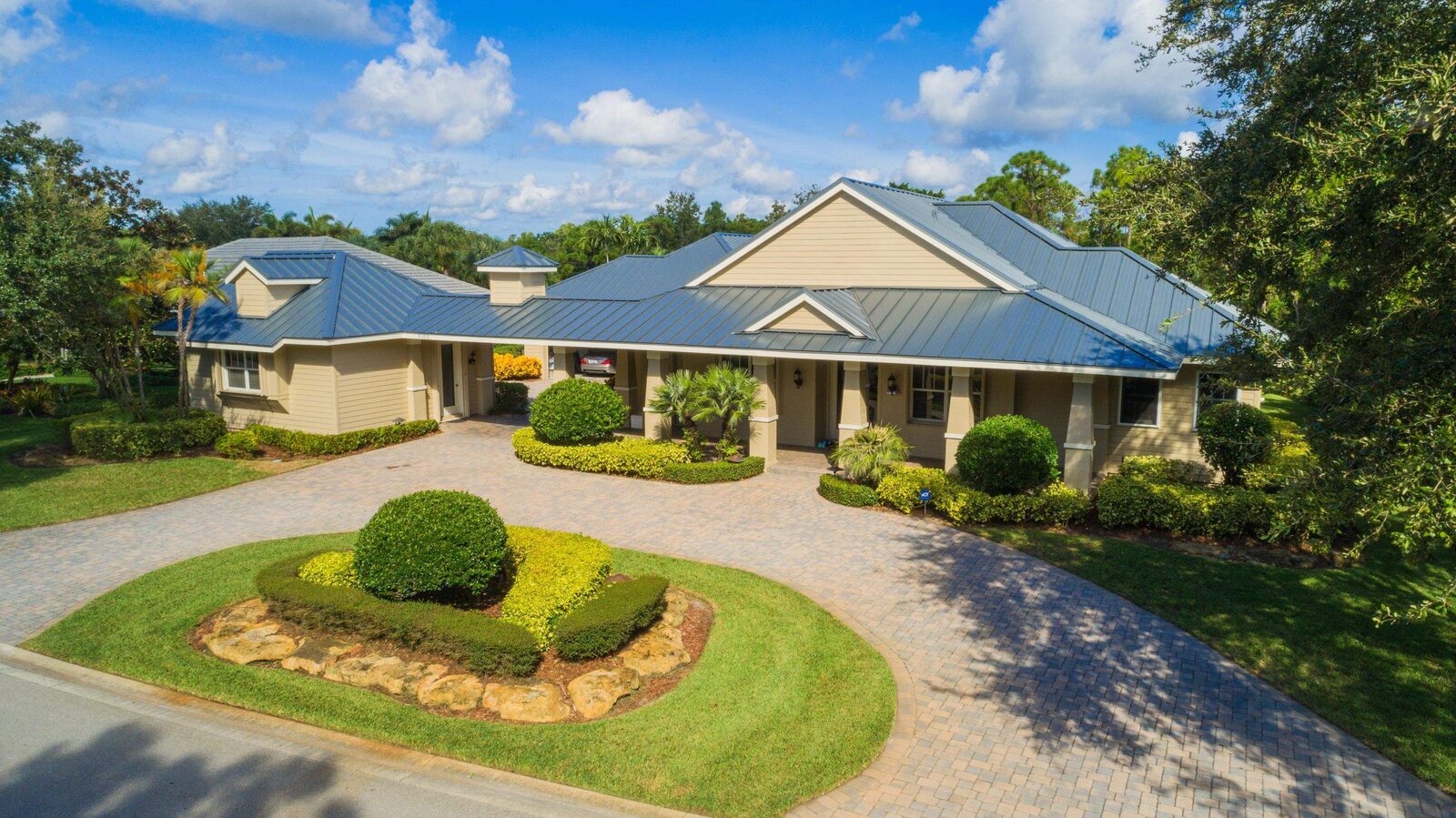
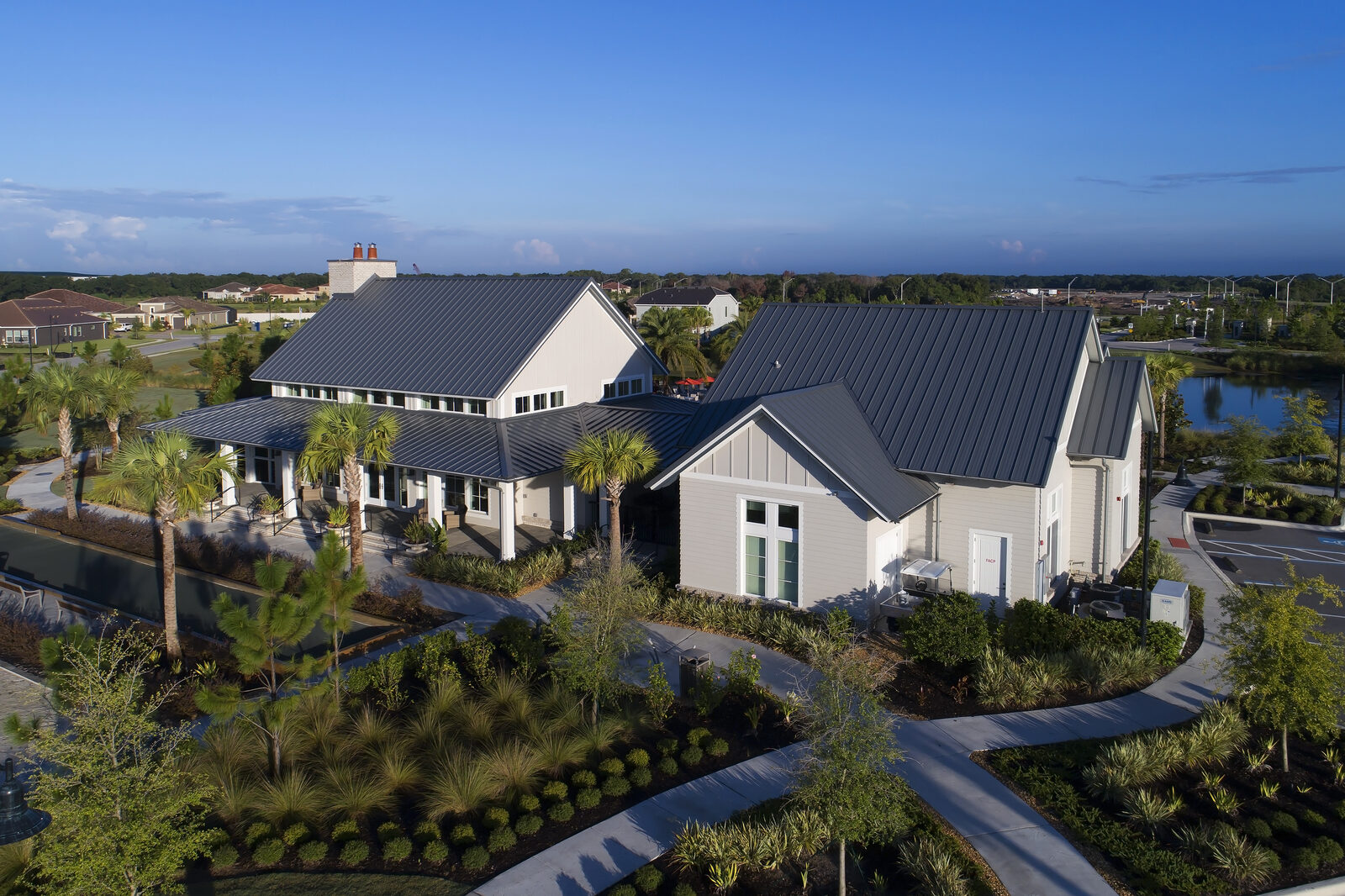
- Contemporary coastal/Gulf Coast vernacular with metal roofs and large porches (newer construction, Portland, Padre Island)
- Suburban brick-and-vinyl traditional (Flour Bluff, Calallen, Robstown, Portland subdivisions)
Top Metal Roof Types in Corpus Christi
- 5V-crimp steel panel (traditional, economical, very common on South Texas homes)
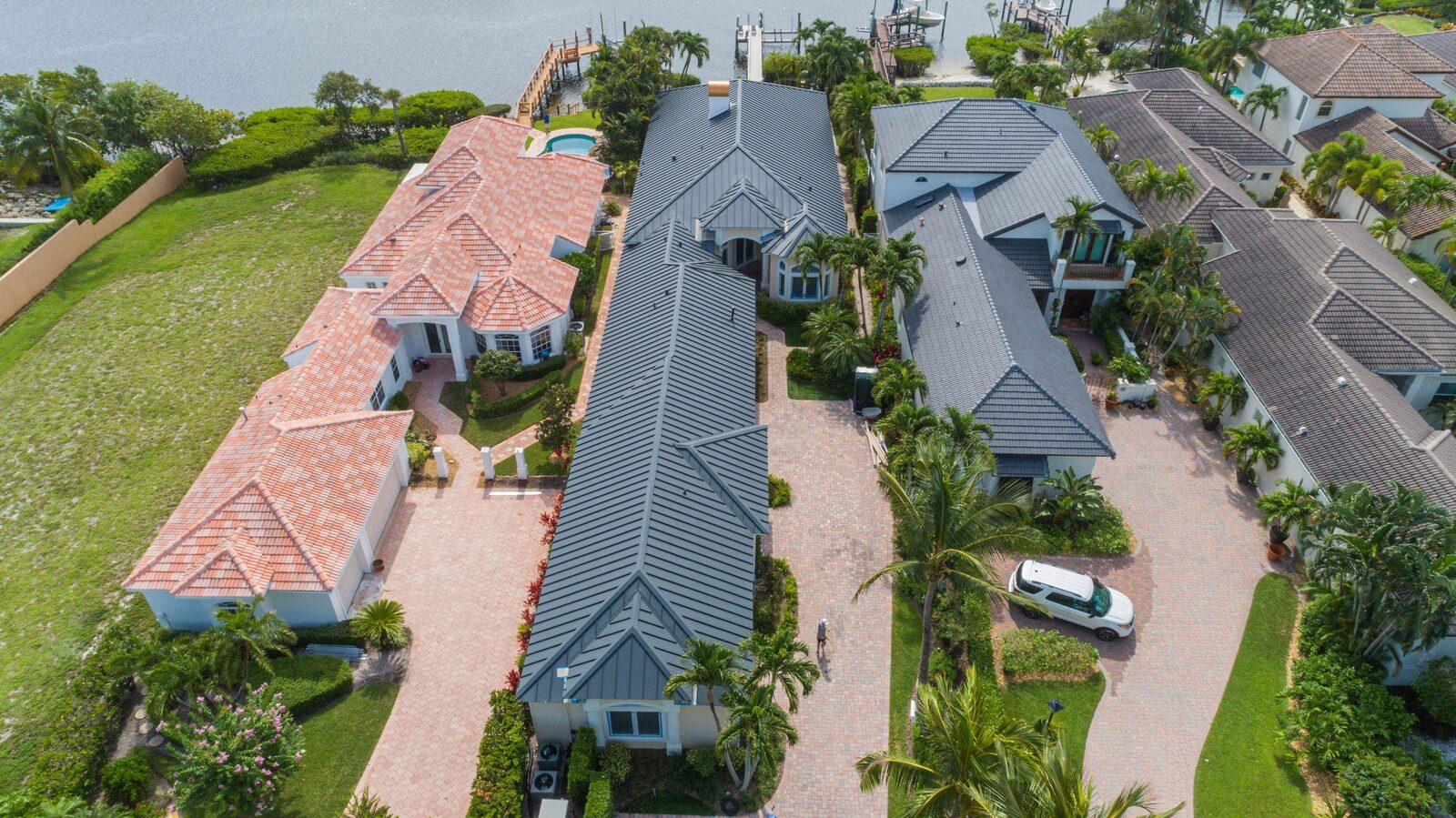
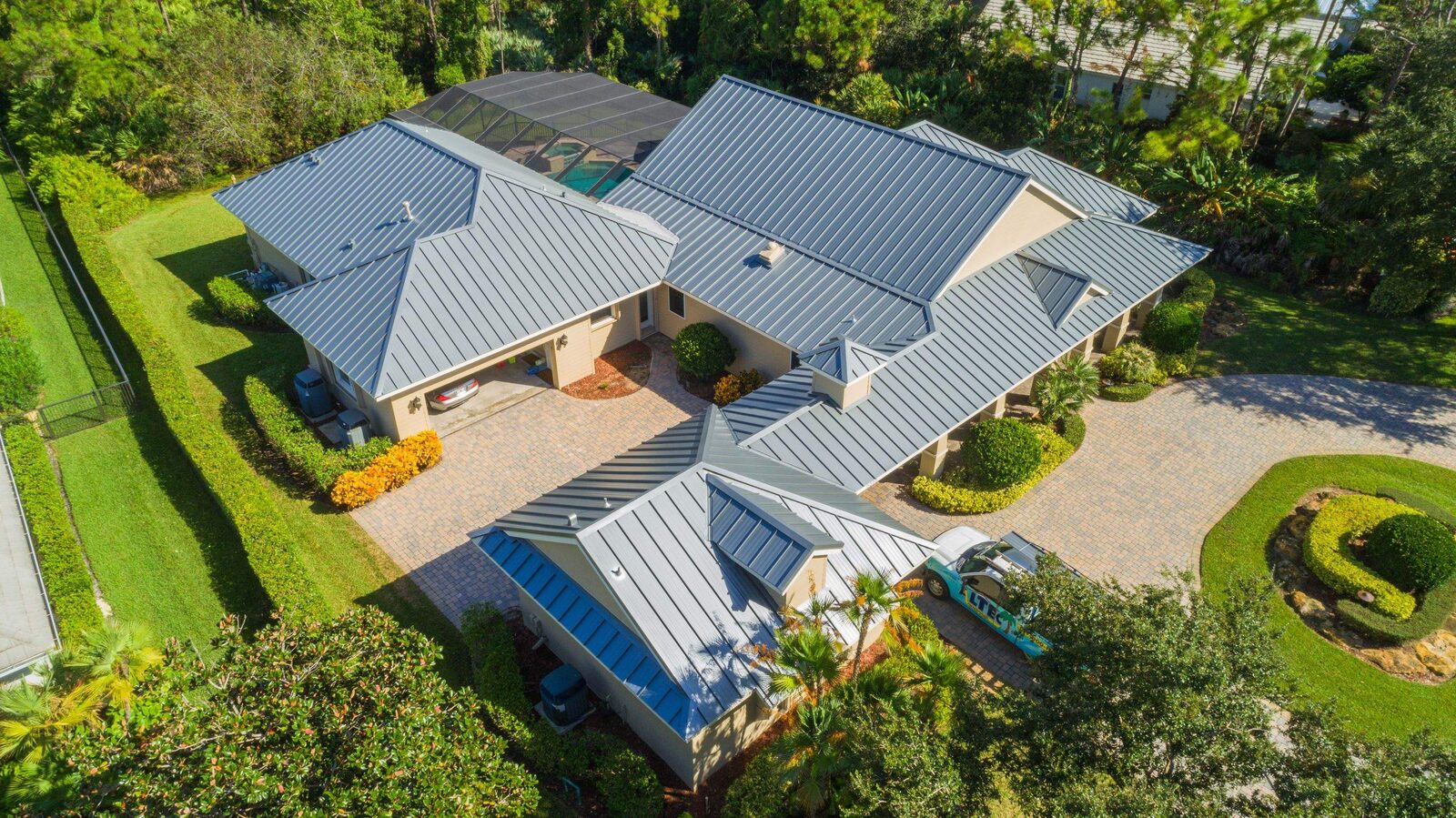
- Standing seam steel or aluminum panel (24-26 gauge, preferred for high-wind/coastal performance and TDI WPI-8 certification)
- Stone-coated steel roofing (used to mimic tile on Mediterranean/Spanish-style homes)
- Marine-grade aluminum standing seam (preferred nearest the immediate bayfront/beachfront for corrosion resistance in Port Aransas, Ingleside on the Bay, North Beach)
- Metal shingle/shake panels (used in HOA subdivisions wanting a dimensional look, e.g. Portland, Flour Bluff)
Cities We Serve in Corpus Christi
Aransas Pass
San Patricio County (also touches Nueces and Aransas counties) · Suburb
Corpus Christi
Nueces County
Gregory
San Patricio County · Suburb
Ingleside
San Patricio County (small portion in Nueces County) · Suburb
Port Aransas
Nueces County · Suburb
Portland
San Patricio County (small portion in Nueces County) · Suburb
Robstown
Nueces County · Suburb
Sinton
San Patricio County · Suburb
Taft
San Patricio County · Suburb
Get a Free Metal Roofing Estimate in Corpus Christi
Tell us about your project and a certified Sherwin MetalVue professional in your area will follow up with a free, no-obligation estimate.
Sherwin-Williams is not liable for the conduct, performance, or workmanship of any contractor.