
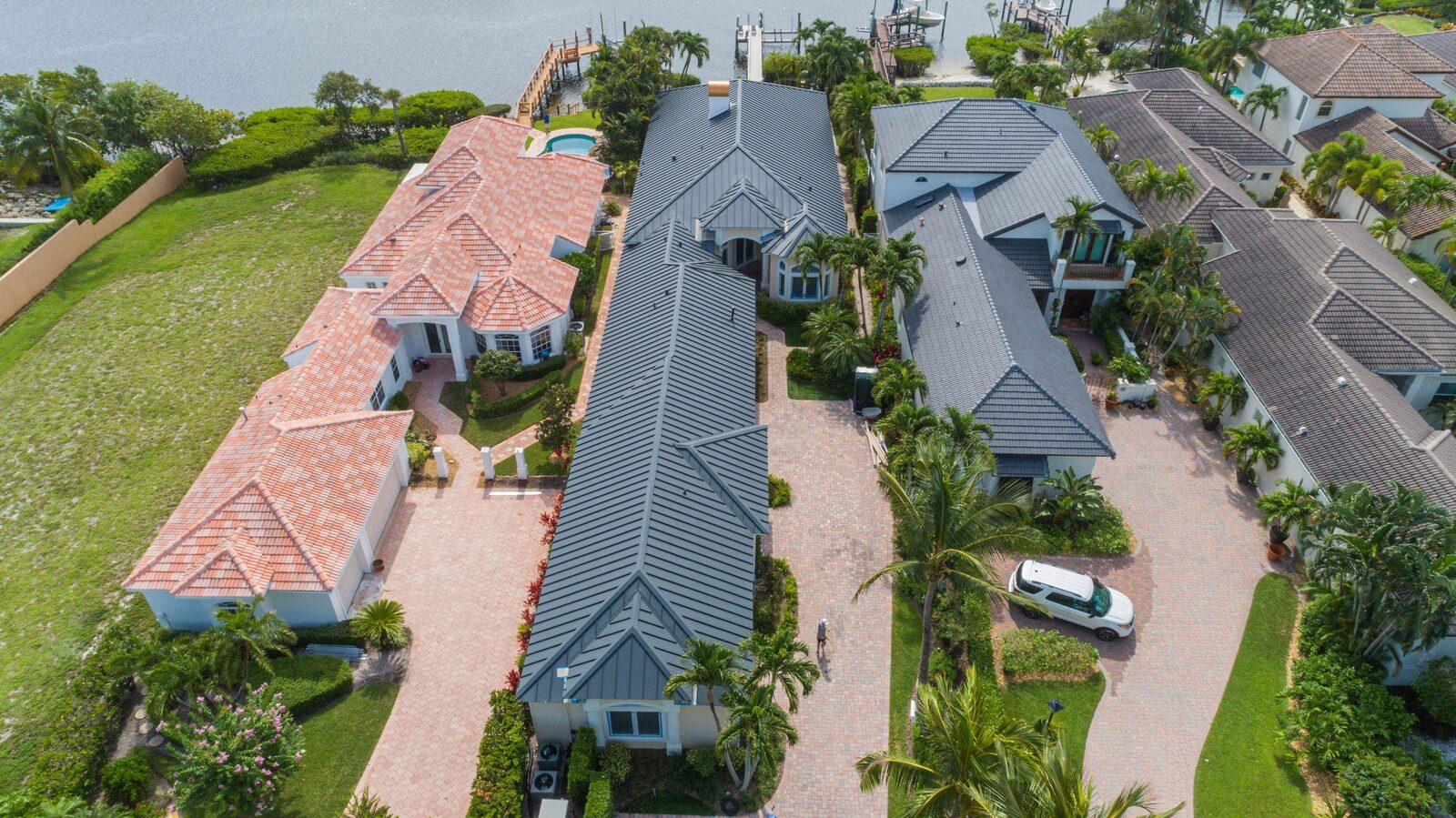
About the Myrtle Beach / Grand Strand (Myrtle Beach-Conway-North Myrtle Beach, SC MSA + Georgetown County CSA) Market
The Grand Strand runs roughly 60 miles along the northern SC coast from Little River (NC line) to Georgetown/Pawleys Island. Horry County (Myrtle Beach, North Myrtle Beach, Conway, Surfside Beach, Little River, Carolina Forest, Garden City) forms the core MSA; Georgetown County (Pawleys Island, Litchfield, Murrells Inlet's southern half, Georgetown) is joined via the combined statistical area. Residential building here is coastal-plain, hurricane-driven construction rather than mountain/WUI construction.
Counties Served
- Horry County
- Georgetown County
Weather Perils in the Myrtle Beach / Grand Strand (Myrtle Beach-Conway-North Myrtle Beach, SC MSA + Georgetown County CSA) Area
- Atlantic hurricanes and tropical storms (June-November, peak Aug-Sept)
- High sustained coastal winds and wind-borne debris (roof shingle/tile blow-off is common)
- Storm surge and tidal flooding in barrier-island and Intracoastal Waterway-adjacent areas
- Heavy tropical downpours and inland/riverine flooding (Waccamaw, Pee Dee, Black River basins) worsened by post-hurricane rainfall
- Salt-air/salt-spray corrosion on metal, fasteners, and coastal exteriors
- Occasional severe thunderstorms with hail and straight-line wind
- High humidity accelerating algae/moss growth and asphalt shingle degradation (a key metal-roof selling point)
Building & Permitting Notes
Popular Home Styles
- Coastal Lowcountry / Coastal Cottage (elevated on pilings, wraparound porches, metal roofs standard on barrier-island builds)
- Southern Colonial / Charleston-influenced single house (historic Georgetown, downtown Conway)
- Modern Coastal / Coastal Contemporary (new construction in Grande Dunes, Market Common, Prince Creek)
- Craftsman and Craftsman-Coastal hybrid (Carolina Forest, Socastee subdivisions)
- Traditional Southern Ranch and one-story brick ranch (older Myrtle Beach, Surfside Beach neighborhoods)
- Golf-course/plantation-style two-story brick and Hardie-board homes (Wachesaw Plantation, Tidewater, Wild Wing)
Top Metal Roof Types in Myrtle Beach / Grand Strand (Myrtle Beach-Conway-North Myrtle Beach, SC MSA + Georgetown County CSA)
- Standing seam steel (26-gauge, PVDF/Kynar 500 finish) - the dominant choice for coastal SC due to wind uplift performance
- Standing seam aluminum - preferred within ~1-3 miles of saltwater/marsh for corrosion resistance over steel
- Stone-coated steel shingle/shake profiles (mimicking cedar shake or slate) for HOA-restricted subdivisions wanting traditional curb appeal
- Metal shingle panels (interlocking) for historic-district and Lowcountry cottage retrofits
- 26-ga exposed-fastener steel panels for detached garages, carriage houses, and outbuildings
Cities We Serve in Myrtle Beach / Grand Strand (Myrtle Beach-Conway-North Myrtle Beach, SC MSA + Georgetown County CSA)
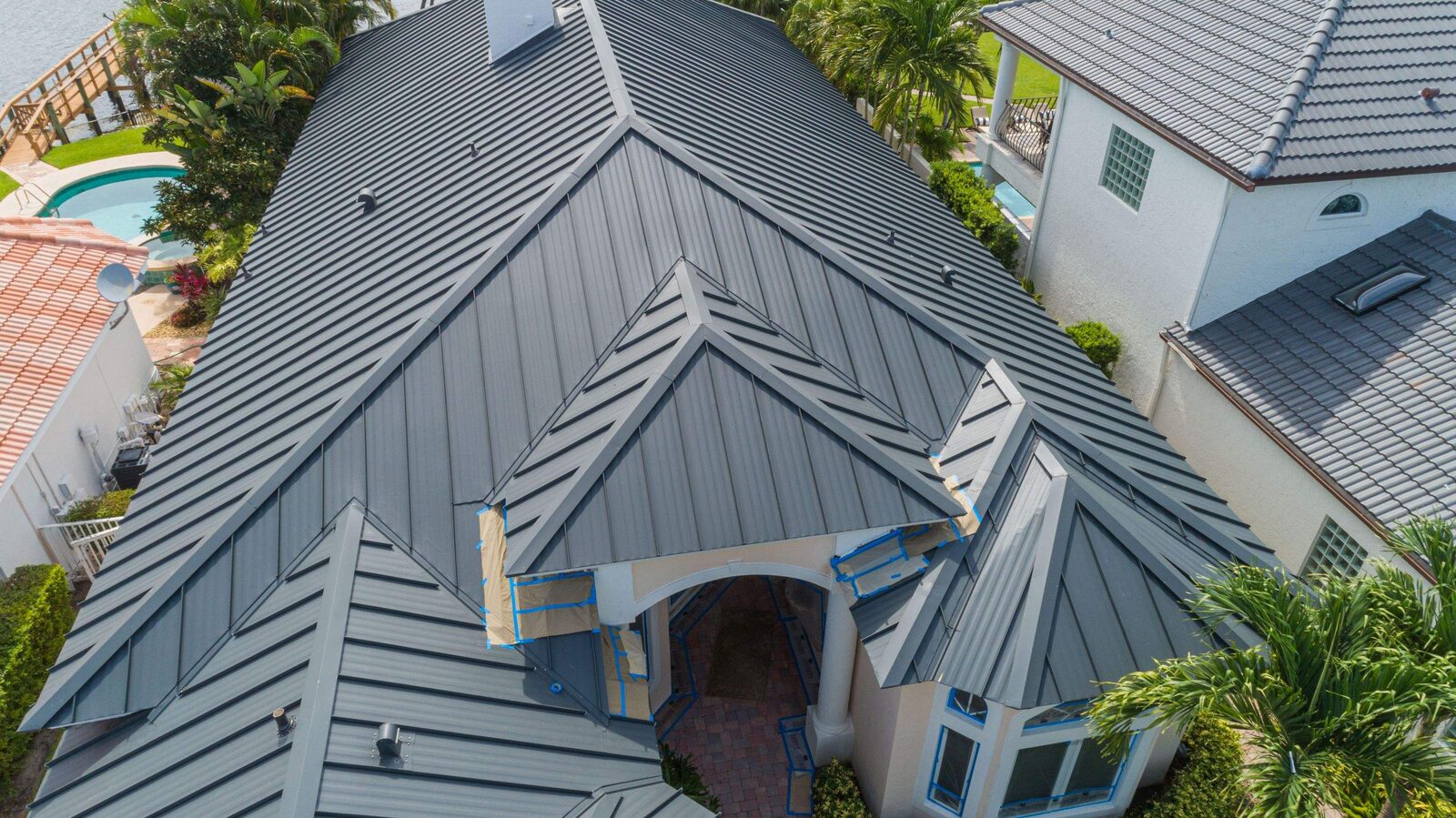
Carolina Forest
Horry County · Suburb
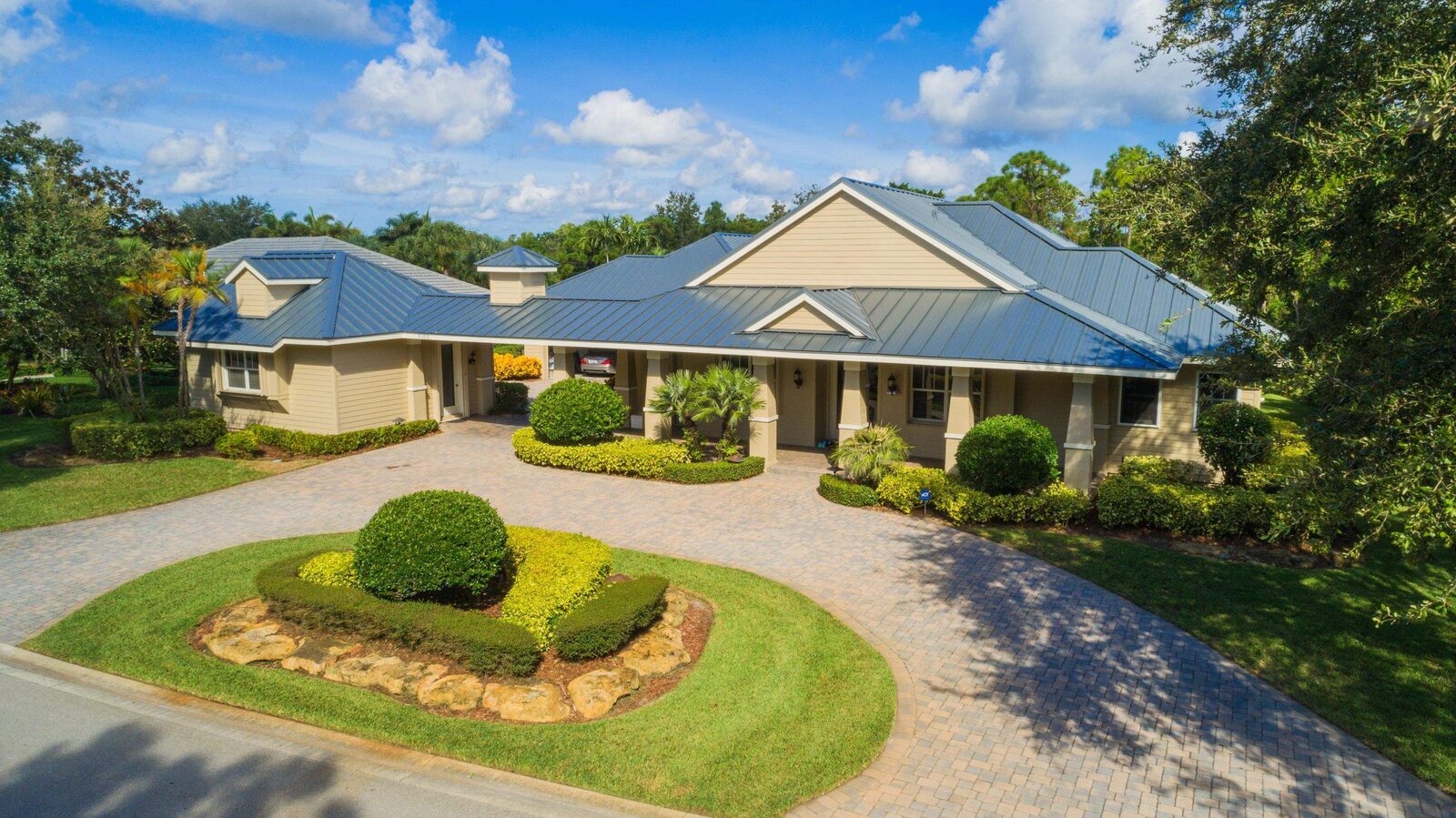
Conway
Horry County
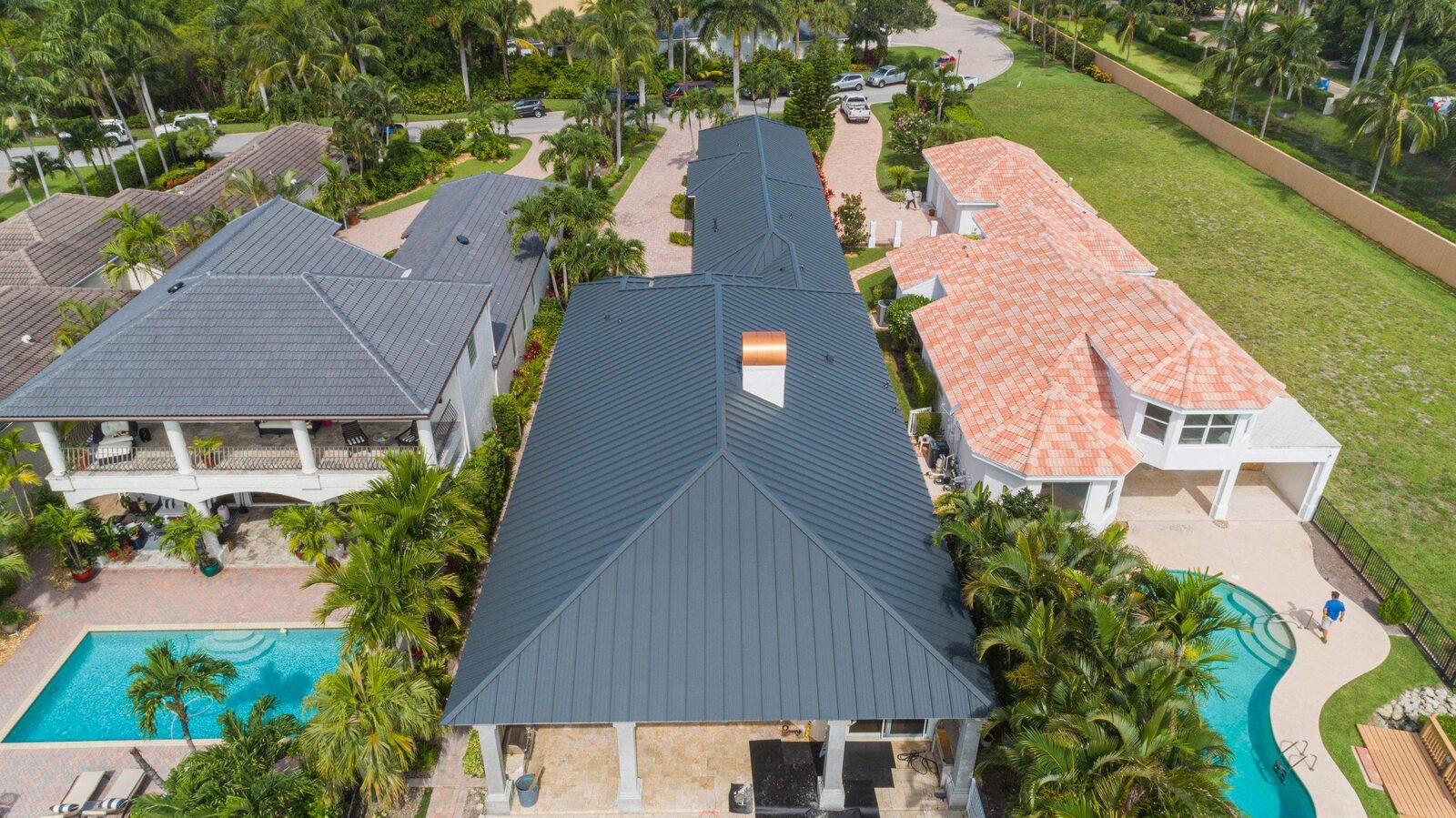
Garden City
Horry County · Suburb
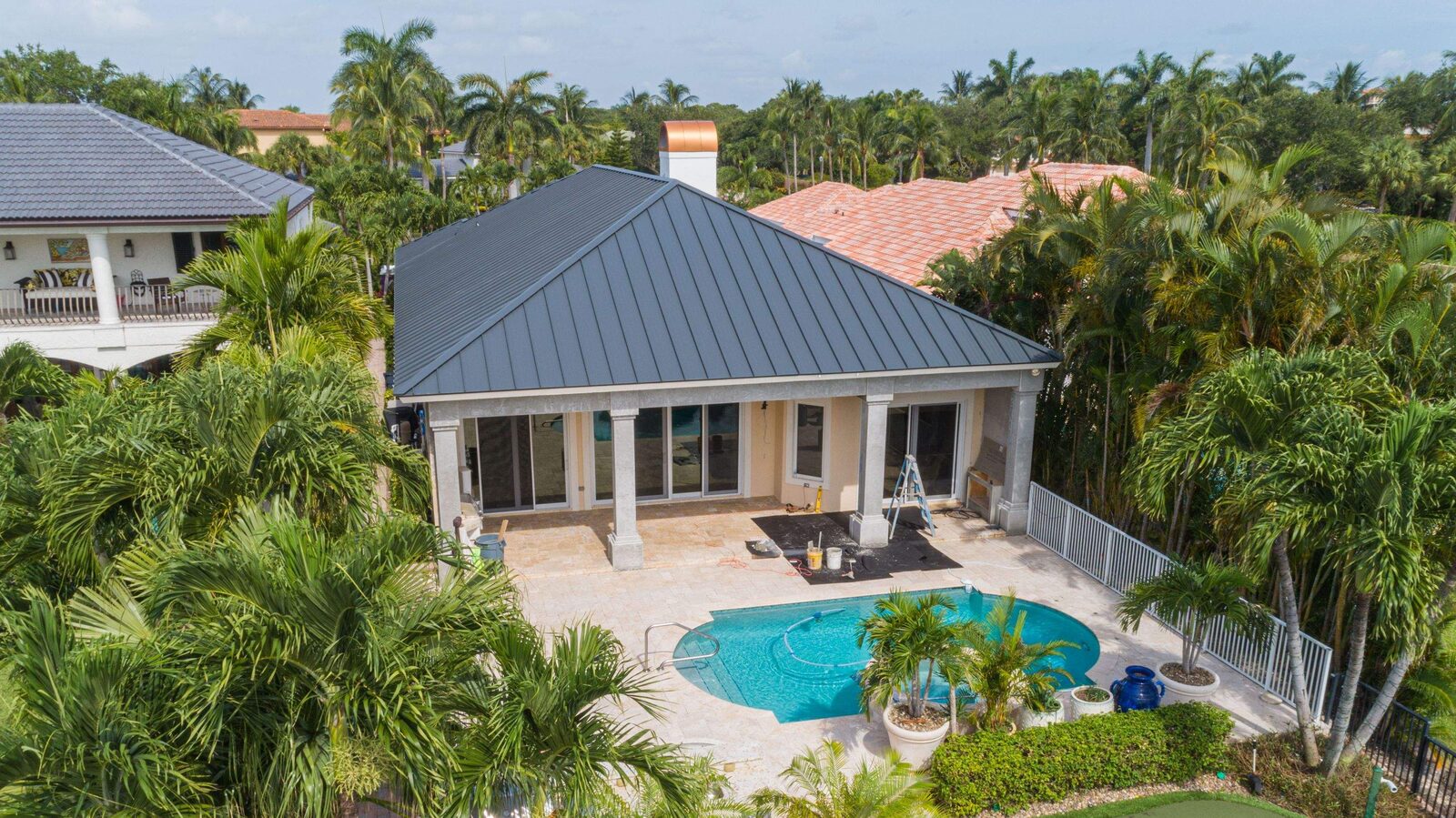
Georgetown
Georgetown County
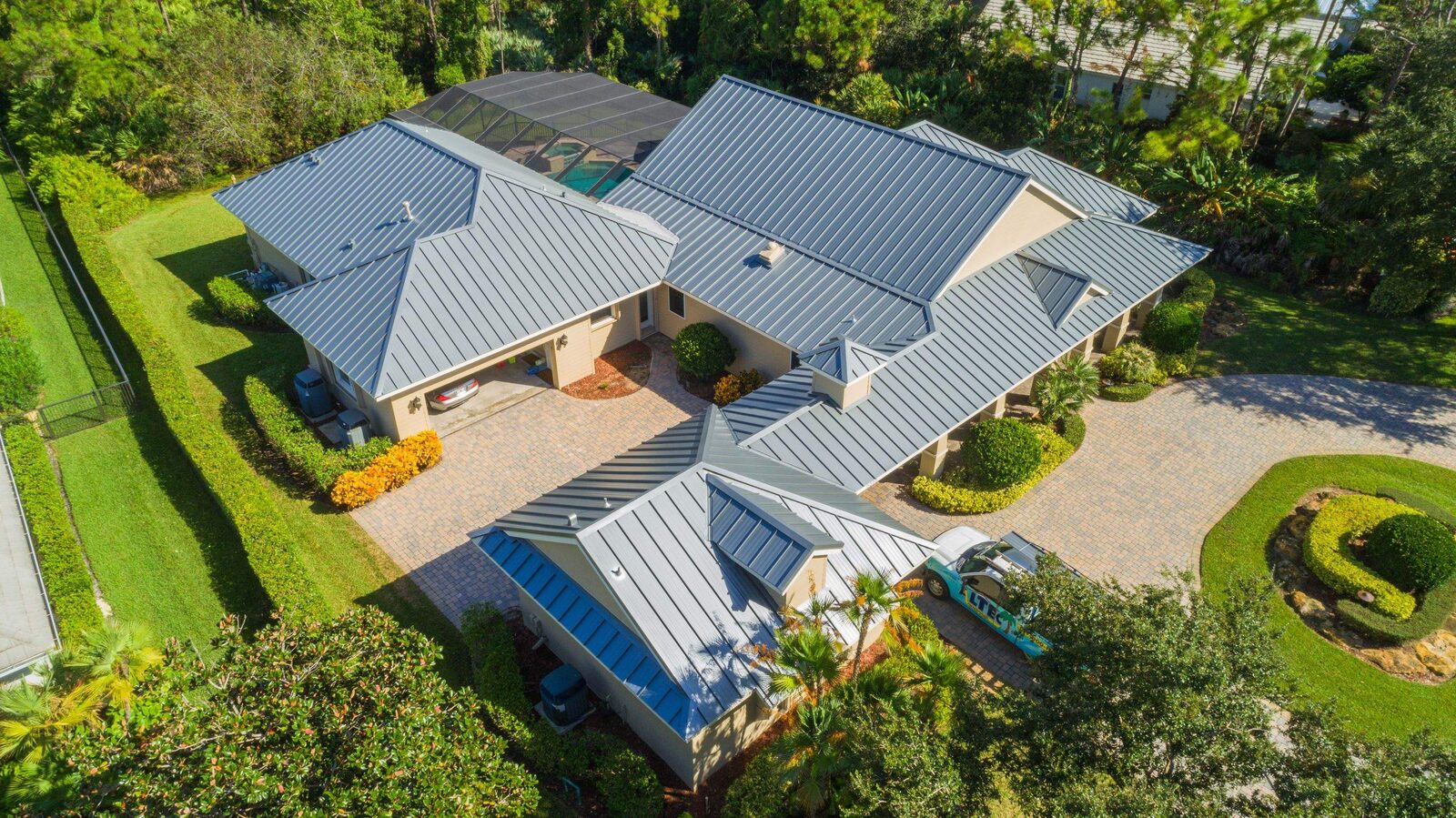
Litchfield Beach / Litchfield Park
Georgetown County · Suburb
Little River
Horry County · Suburb
Murrells Inlet
Georgetown County · Suburb
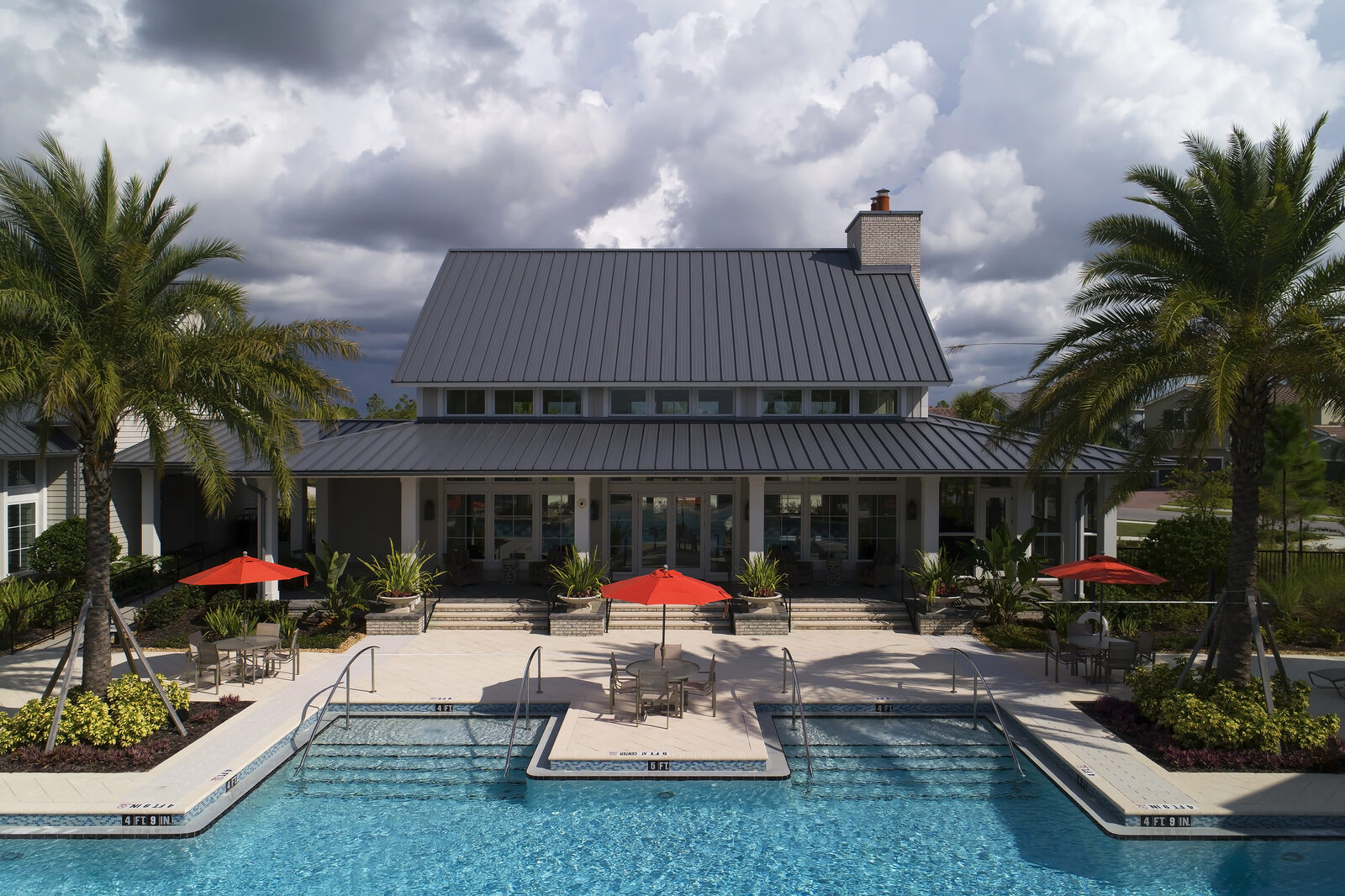
Myrtle Beach
Horry County
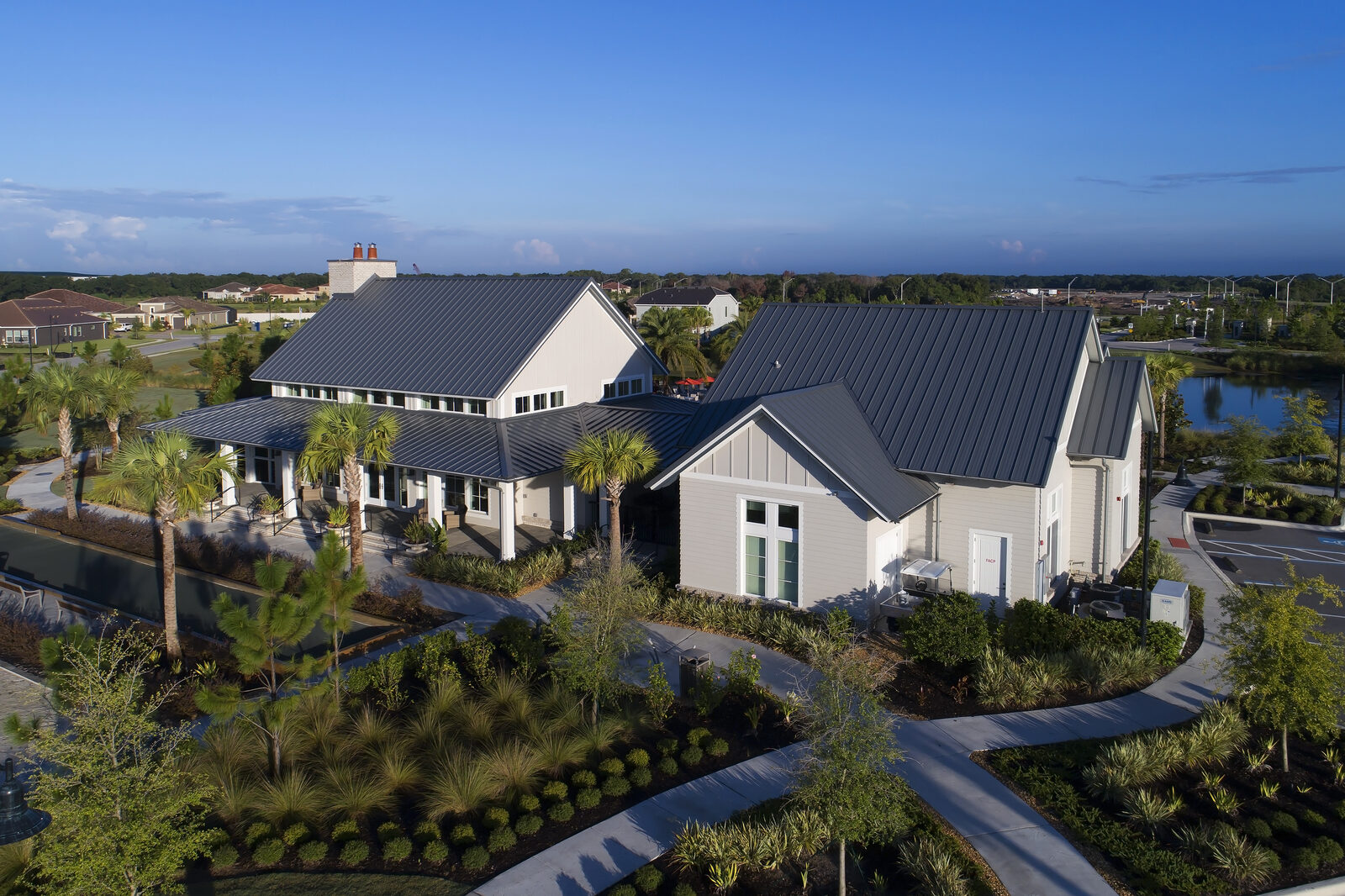
North Myrtle Beach
Horry County
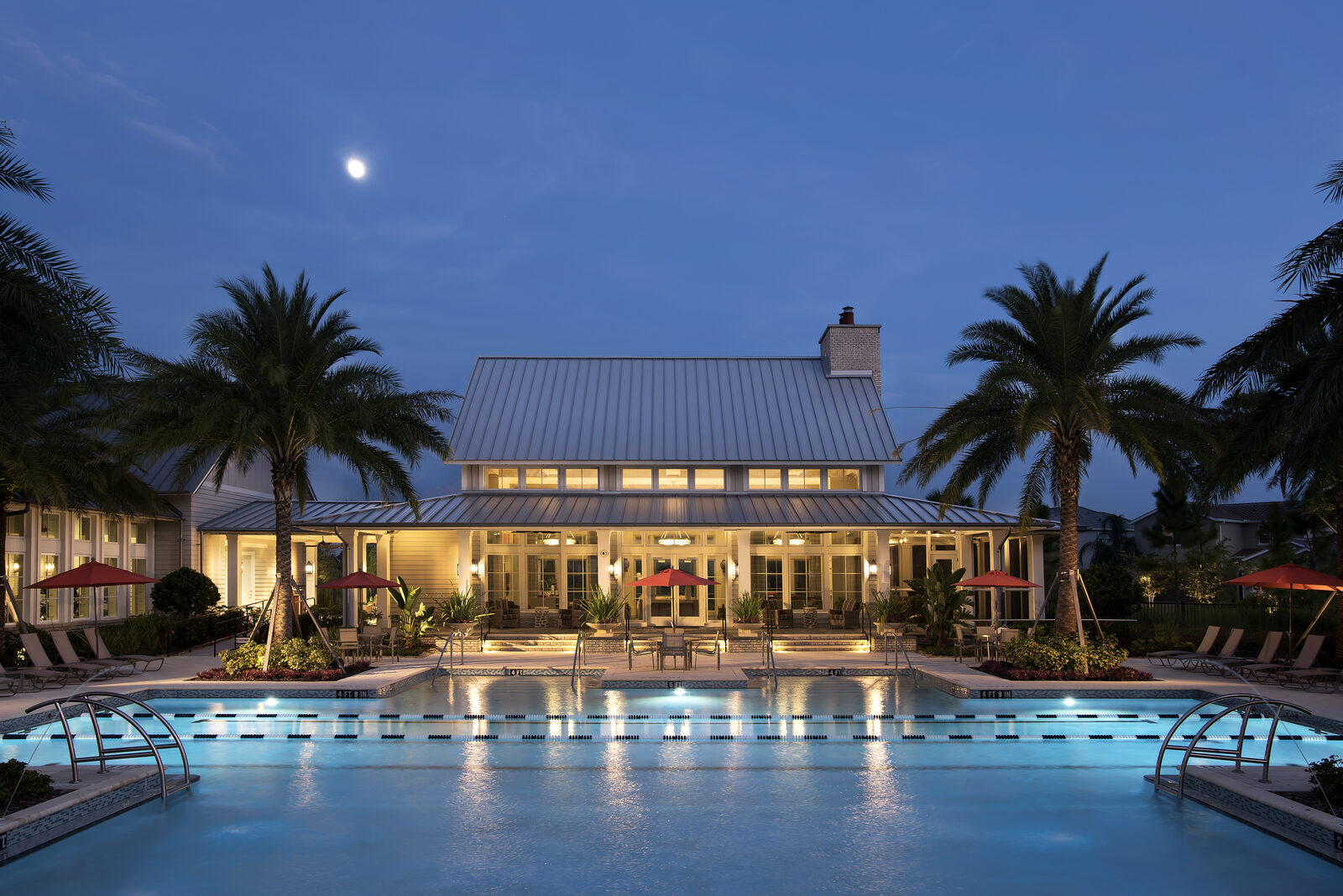
Pawleys Island
Georgetown County · Suburb
Surfside Beach
Horry County · Suburb
Get a Free Metal Roofing Estimate in Myrtle Beach / Grand Strand (Myrtle Beach-Conway-North Myrtle Beach, SC MSA + Georgetown County CSA)
Tell us about your project and a certified Sherwin MetalVue professional in your area will follow up with a free, no-obligation estimate.
Sherwin-Williams is not liable for the conduct, performance, or workmanship of any contractor.