
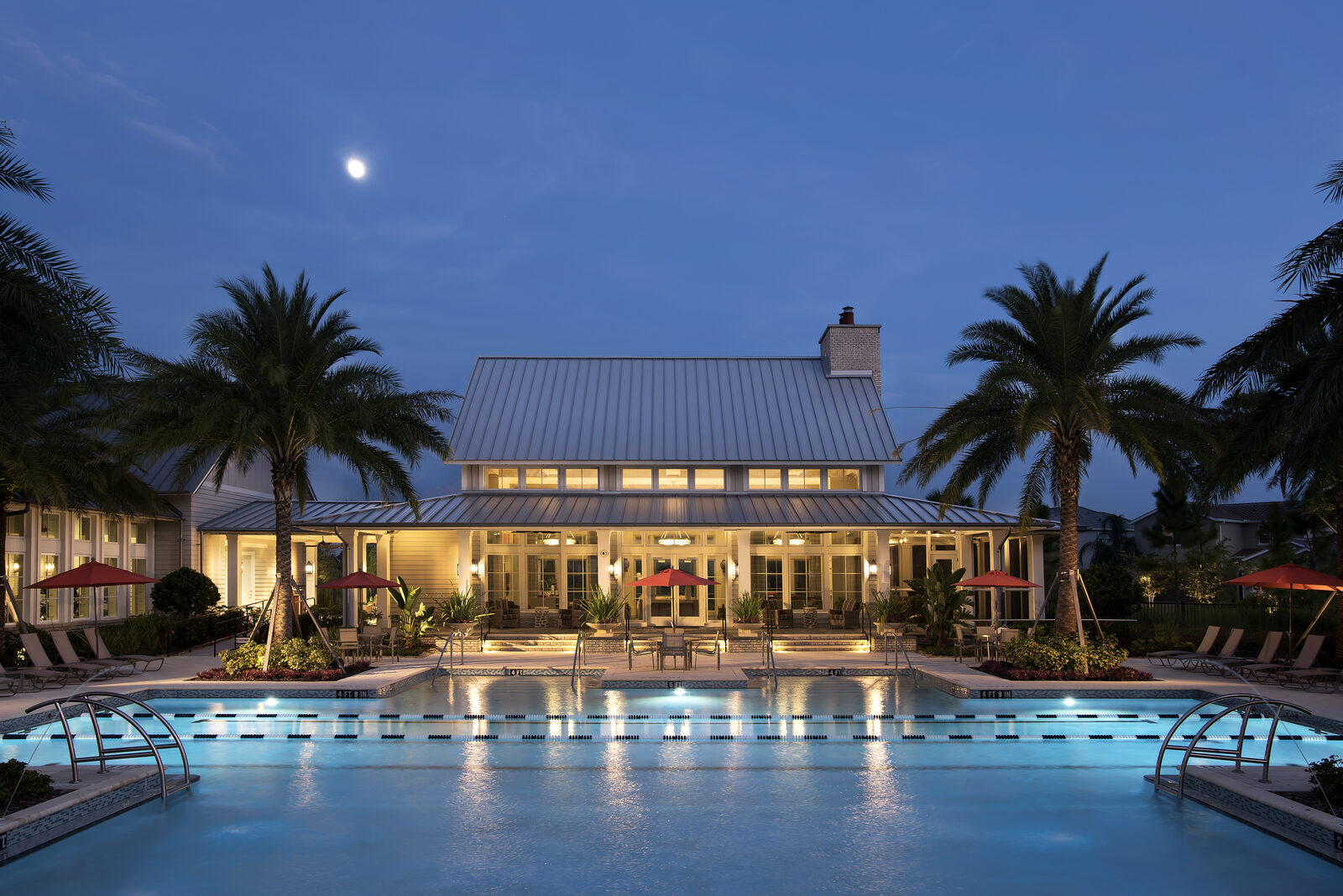
About the Columbia Market
Columbia is part of South Carolina's Sherwin MetalVue service area. South Carolina has a humid subtropical climate statewide (subtropical highland in the Upstate/Blue Ridge foothills), with hot, humid summers and mild winters.
Weather Perils in South Carolina
Hurricanes / tropical storms & coastal high wind
Coastal counties (Charleston, Beaufort, Horry/Myrtle Beach, Georgetown) fall in high wind-speed design zones under the SC Residential Code (ultimate design wind speed Vult per Figure R301.2(2)); code triggers enhanced wind design once Vult reaches 140 mph. Quality metal roof systems are rated for gusts up to ~140 mph (equivalent to an F2 tornado) per Metal Roofing Alliance.
Severe thunderstorms / hail
Inland Piedmont/Upstate SC sees frequent severe thunderstorm and hail activity in spring; hail-resistant (Class 4) metal panels are a differentiator vs. asphalt.
Tornadoes
SC lies at the edge of the Dixie Alley/Southeast tornado corridor; tornadoes accompany both landfalling tropical systems and spring squall lines, especially in the Midlands and Pee Dee regions.
Coastal salt air / corrosion
Lowcountry and Grand Strand homes face chronic salt-air exposure; aluminum or marine-grade coated steel (e.g., Galvalume with PVDF/Kynar finishes) is recommended over bare/standard galvanized steel within several miles of the coast.
Heavy rain / flooding
Tropical systems and slow-moving storms (e.g., historic Oct. 2015 and Hurricane Florence 2018 flooding) bring extreme rainfall; metal roofing's near-impermeability to wind-driven rain is a key sell versus shingles.
High humidity / algae & moss growth
Humid subtropical conditions promote algae streaking and moss on traditional shingle/wood roofs; factory-coated metal resists this better than asphalt.
Wildfire / WUI
Not a primary peril for most of SC (unlike CA/CO); limited relevance mainly in drought-stressed wooded Upstate/Sandhills areas, but Class A fire rating of metal roofing is still a selling point for standalone rural or forested lots.
Heavy snow load
Snow is rare and light in SC even in the Upstate; not a significant structural design driver, though metal's snow-shedding helps during occasional winter storms/ice events.
High UV / solar heat
Long, intense summer sun drives cooling costs and asphalt shingle degradation; reflective/cool-roof-rated metal coatings reduce attic heat gain.
Building & Permitting Notes
Recommended Metal Roof Types
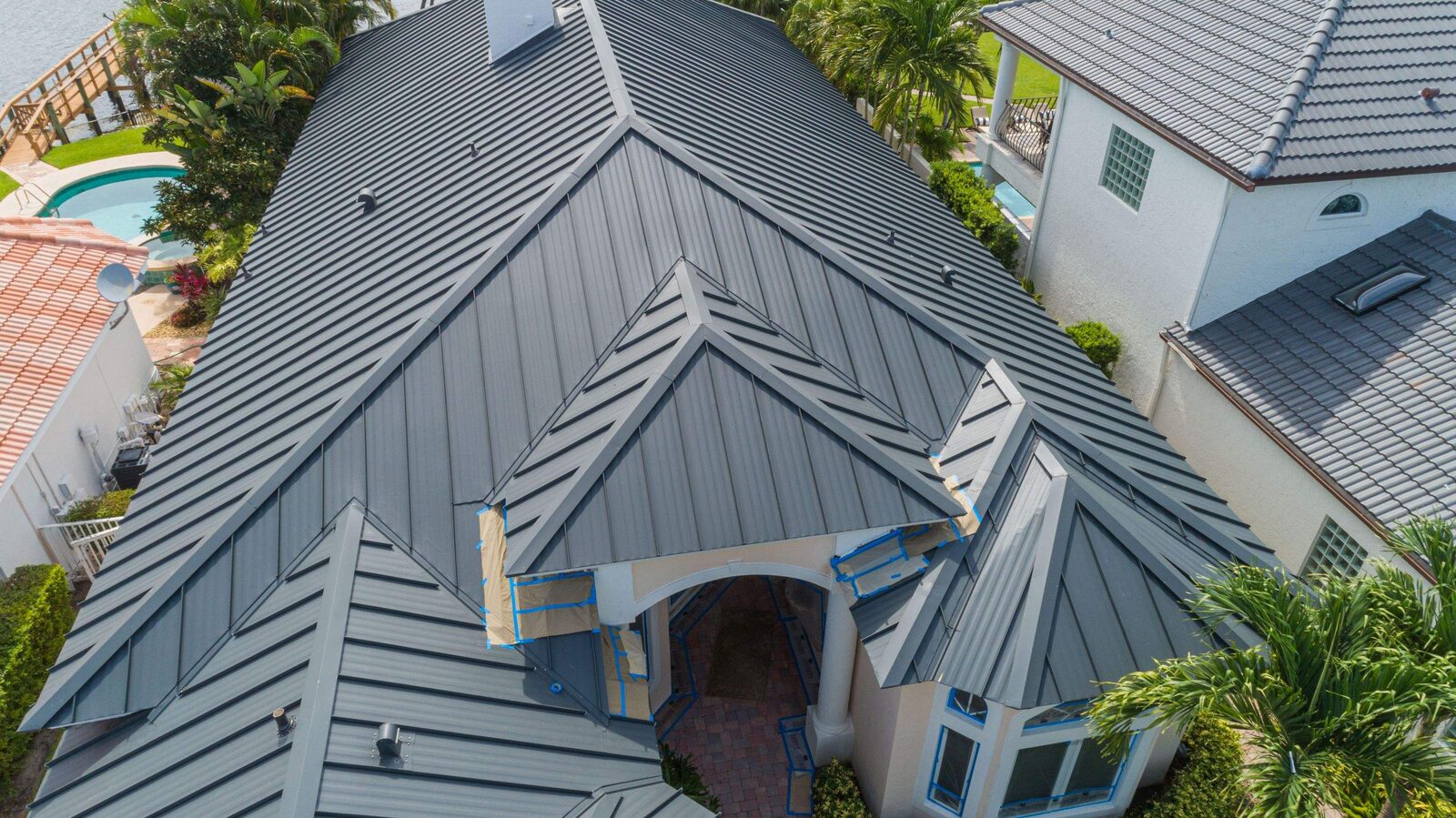
Standing seam steel (concealed-fastener, Galvalume or steel substrate with PVDF/Kynar coating)
Highest wind-uplift performance for hurricane-prone coastal counties (Charleston, Horry, Beaufort, Georgetown); code-favored for high Vult zones; best watertightness for wind-driven rain.
Standing seam aluminum
Preferred within a few miles of the ocean/marsh for superior corrosion resistance versus steel in chronic salt-air exposure (Lowcountry/Grand Strand barrier islands).
Stone-coated steel shake/shingle panels
Popular retrofit choice in historic districts and traditional neighborhoods (Charleston, Columbia, Greenville) wanting shingle or shake aesthetics with metal's wind/hail/fire performance.
Exposed-fastener corrugated/R-panel steel
Lower-cost option common on rural Piedmont/Upstate homes, outbuildings, and budget-conscious re-roofs; less ideal directly on the coast due to fastener corrosion risk.
Get a Free Metal Roofing Estimate in Columbia
Tell us about your project and a certified Sherwin MetalVue professional in your area will follow up with a free, no-obligation estimate.
Sherwin-Williams is not liable for the conduct, performance, or workmanship of any contractor.