
About the Lakeland-Winter Haven Market
The Lakeland-Winter Haven MSA is coextensive with Polk County, Florida — a fast-growing, lake-dotted, inland Central Florida county roughly midway between Tampa and Orlando along the I-4 corridor. It is NOT in the state's High-Velocity Hurricane Zone (HVHZ is Miami-Dade/Broward only), but most of the county falls inside the statewide wind-borne debris region under Florida Building Code 8th Edition (2023) wind maps due to relatively high ultimate design wind speeds (~140-146 mph). Housing ranges from historic Craftsman/Colonial-Revival districts in Lakeland and Winter Haven to sprawling new master-planned resort/golf subdivisions in Haines City, Davenport, and Poinciana. Key residential climate perils are hurricane-force wind, intense lightning/thunderstorm activity, hail, and extreme summer heat/UV — favoring standing-seam and 5V-crimp metal roofing with high-wind-uplift-rated, reflective ('cool roof') coatings.</summary> <parameter name="top_metal_roof_types">["Standing seam metal roofing (mechanically-seamed, high wind-uplift rating — the top choice for hurricane-prone Central Florida)", "5V-crimp metal panels (classic Florida vernacular look, budget-friendly, common on ranch homes)", "Stone-coated steel shake/shingle panels (used to mimic dimensional shingle or barrel-tile look in HOA communities)", "Metal roofing profiles engineered to resemble clay/concrete S-tile (popular in Mediterranean-style master-planned subdivisions like ChampionsGate/Providence)", "Cool-roof reflective-coated steel (Energy Star-rated finishes to cut attic heat gain in Florida's extreme summer sun)"]
Counties Served
- Polk County
Weather Perils in the Lakeland-Winter Haven Area
- Hurricanes and tropical storms (high straight-line wind and heavy rain, though inland so surge risk is minimal)
- Wind-borne debris region exposure (Vult roughly 140-146 mph across most of the county under FBC 8th Edition/ASCE 7-22 wind maps)
- Frequent, intense summer afternoon thunderstorms and lightning (Central Florida's 'Lightning Alley')
- Occasional large hail with severe thunderstorm cells
- Tornadoes/tropical-cyclone-spawned tornadoes during hurricane season
- Extreme summer heat, UV exposure, and humidity driving cool-roof/reflective-coating demand
- Localized freezes affecting citrus-grove areas (indirect economic/roofing-market factor, not structural)
- Brush-fire risk in rural areas near Green Swamp and the Lake Wales Ridge scrub habitat
Building & Permitting Notes
Popular Home Styles
- Florida ranch / single-story block ranch (dominant mid-century stock in Lakeland, Winter Haven, Auburndale, Bartow)
- Florida vernacular / 'cracker' style farmhouse (older rural Polk County homes)
- Colonial Revival (Winter Haven's Interlaken and boom-era historic districts)
- Craftsman bungalow (Lakeland's Dixieland, South Lake Morton, Beacon Hill-Alta Vista historic districts)
- Spanish/Mediterranean Revival (older lakefront estates, e.g., Mountain Lake in Lake Wales)
- Contemporary production-builder Craftsman/Farmhouse (new master-planned subdivisions in Haines City, Davenport, Poinciana)
- Mediterranean/Tuscan resort-style stucco (ChampionsGate, Providence, Solterra Resort in Davenport)
- Active-adult/55+ Florida cottage style (Lake Ashton, Solivita)
Recommended Metal Roof Types
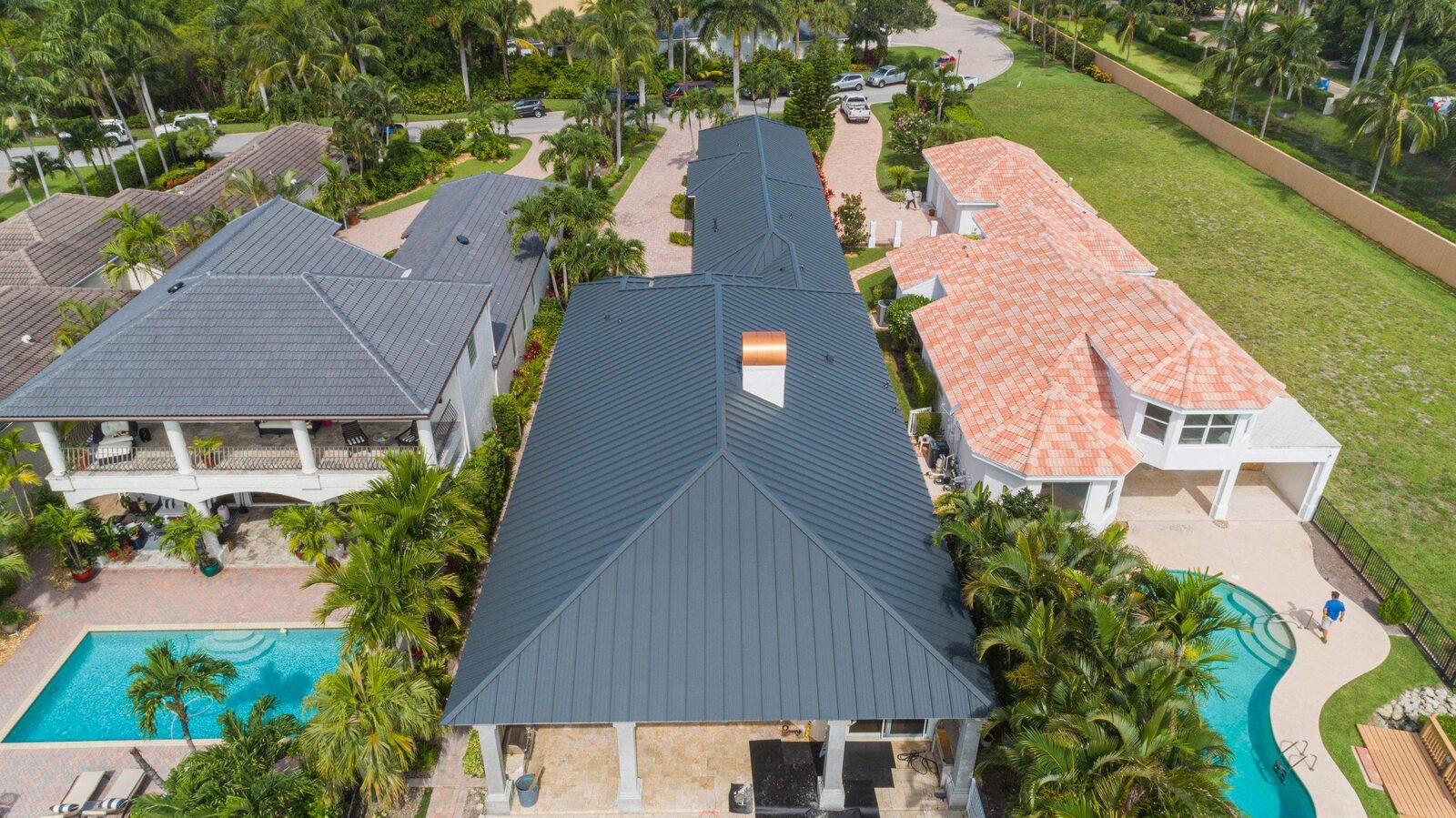
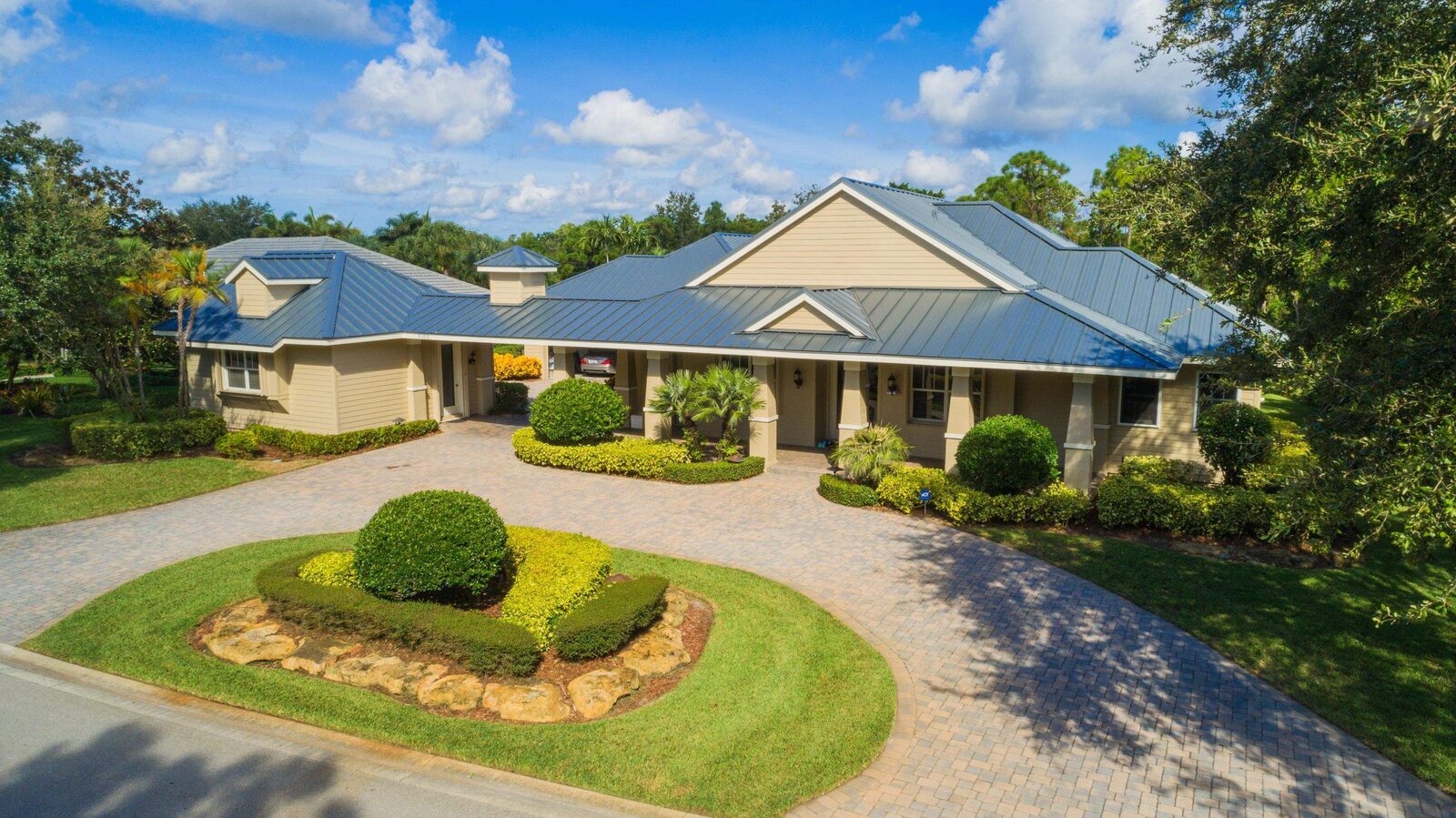
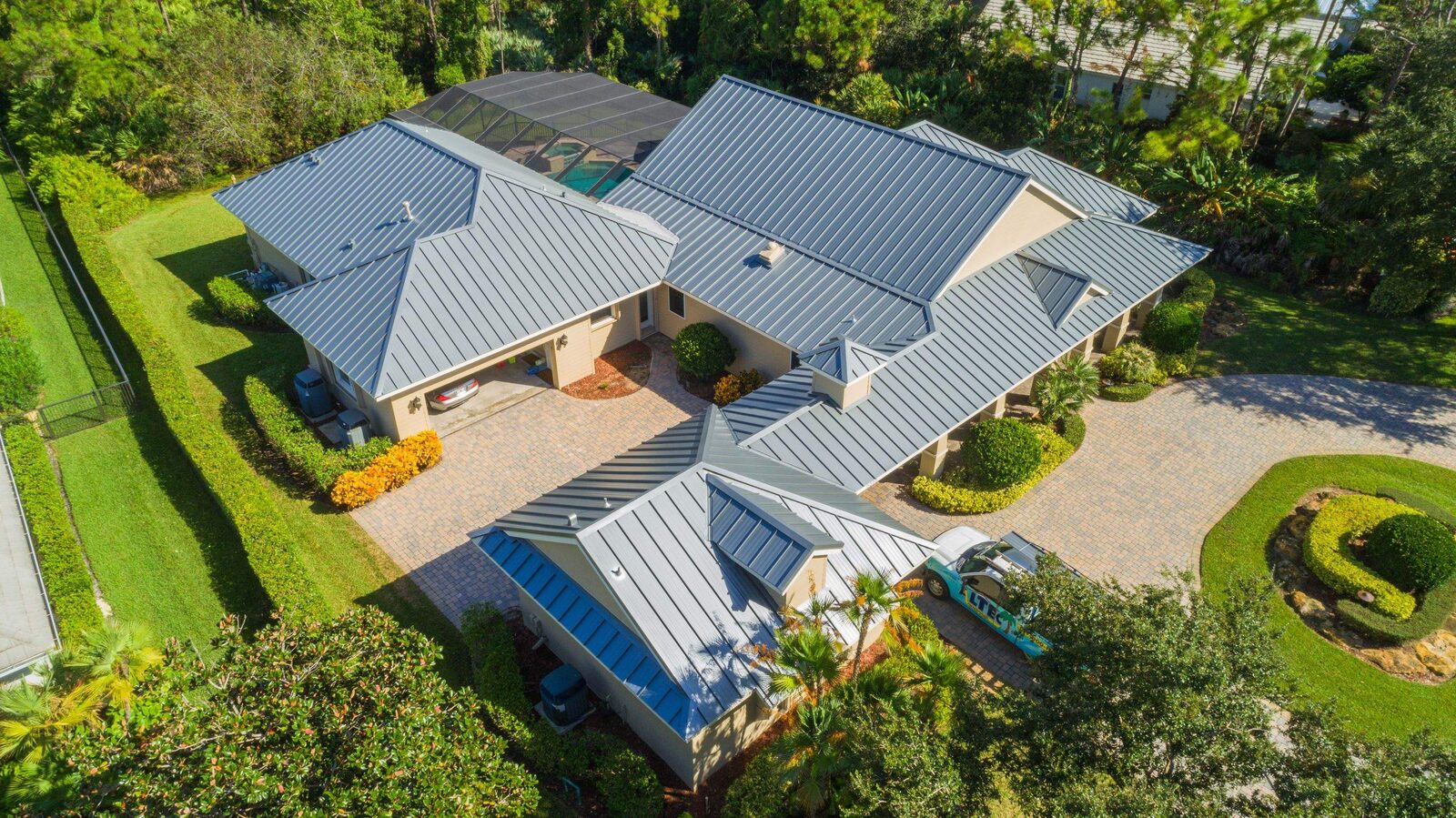
Standing seam metal roofing (steel or aluminum, mechanically seamed, concealed fasteners)
Best-in-class wind uplift performance, no exposed fasteners to work loose or corrode, qualifies for the strongest wind-mitigation insurance credits, and is the assembly type most likely to carry Miami-Dade NOA / HVHZ approval and Florida Product Approval (FL#) listings needed for HVHZ and wind-borne debris regions.
Aluminum standing seam / panels
Naturally corrosion- and rust-proof, making it the preferred substrate within a few miles of saltwater (barrier islands, Keys, both coasts) where steel would need heavier coating protection; also lightweight for retrofit over existing structures.
Galvalume / coated steel standing seam
Cost-effective alternative to aluminum for inland and non-immediate-coastal homes, with strong corrosion resistance from the aluminum-zinc coating and widely available FL Product Approval listings.
Stone-coated steel metal shingles/tile profiles
Popular in HOA communities and Mediterranean-style neighborhoods that require a tile or shake appearance, letting homeowners get metal's wind/impact performance while meeting deed-restricted aesthetic requirements.
PVDF (Kynar 500)-coated panels in any of the above
The reflective, fade- and chalk-resistant coating is heavily recommended for Florida's intense UV and heat load, supporting Cool Roof energy performance and long-term color retention versus SMP or unpainted coatings.
Cities We Serve in Lakeland-Winter Haven
Auburndale
Polk County · Suburb
Bartow
Polk County · Suburb
Davenport
Polk County · Suburb
Haines City
Polk County · Suburb
Lake Wales
Polk County · Suburb
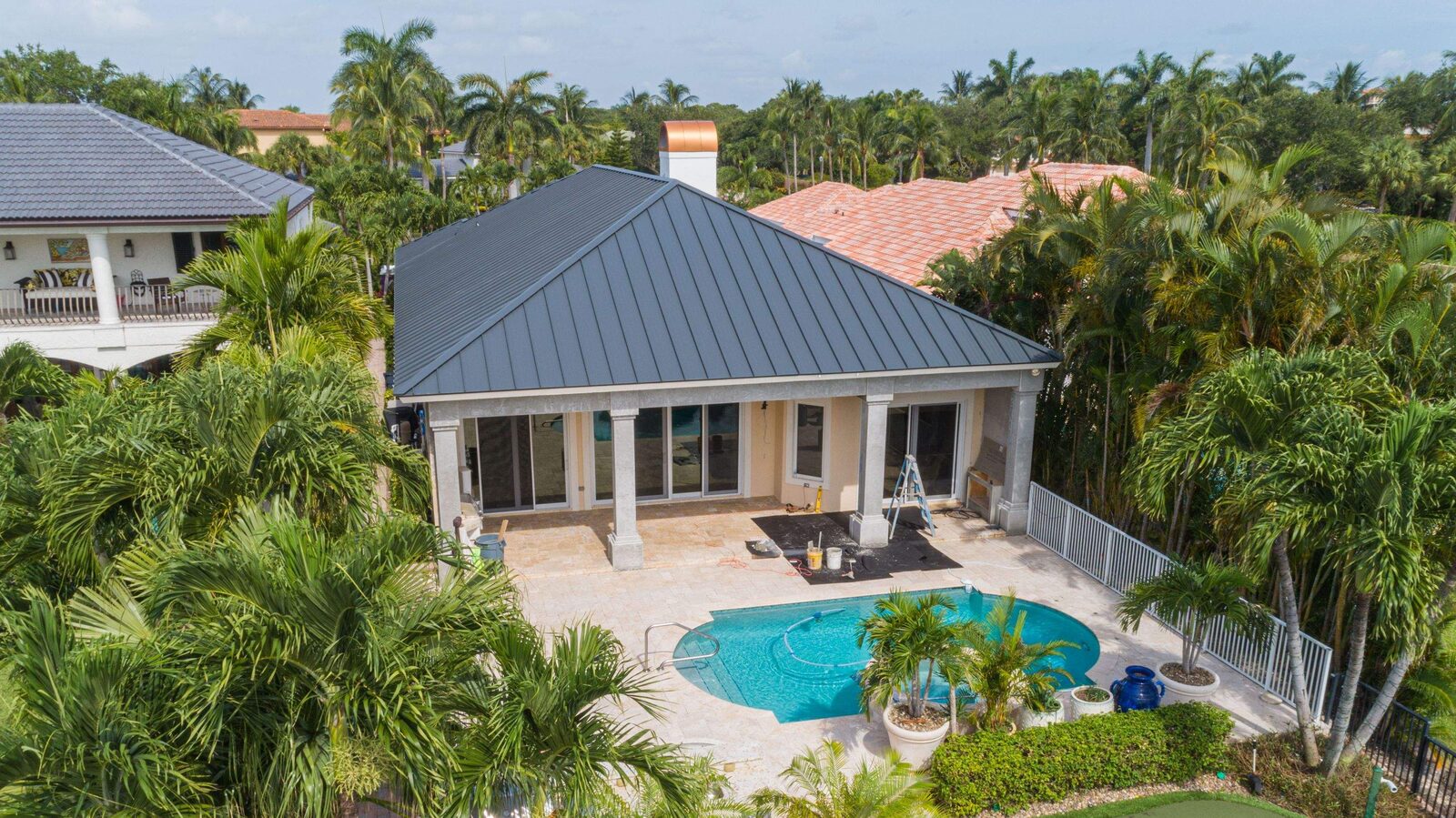
Lakeland
Polk County
Mulberry
Polk County · Suburb
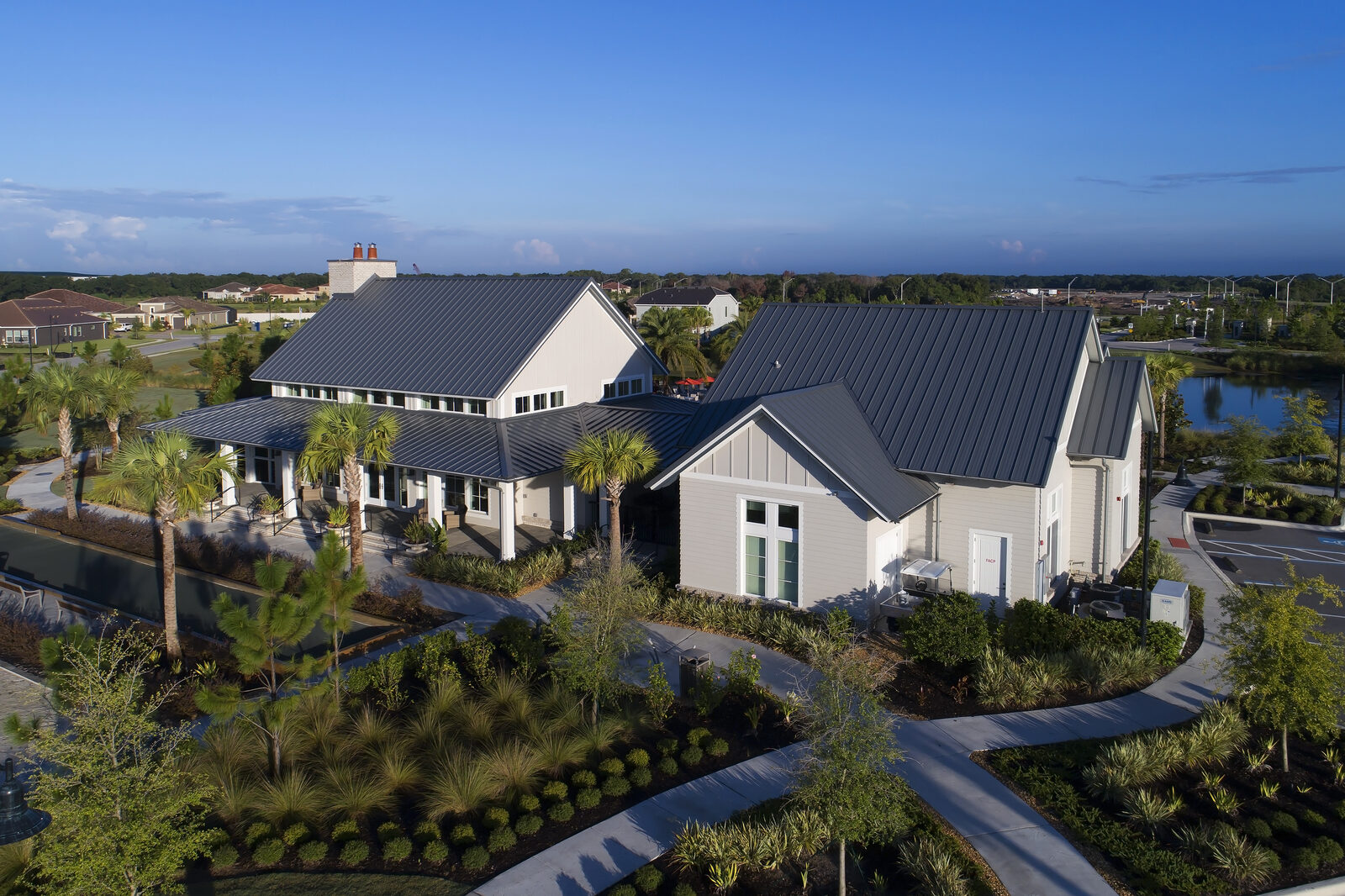
Poinciana
Polk County / Osceola County (split CDP) · Suburb
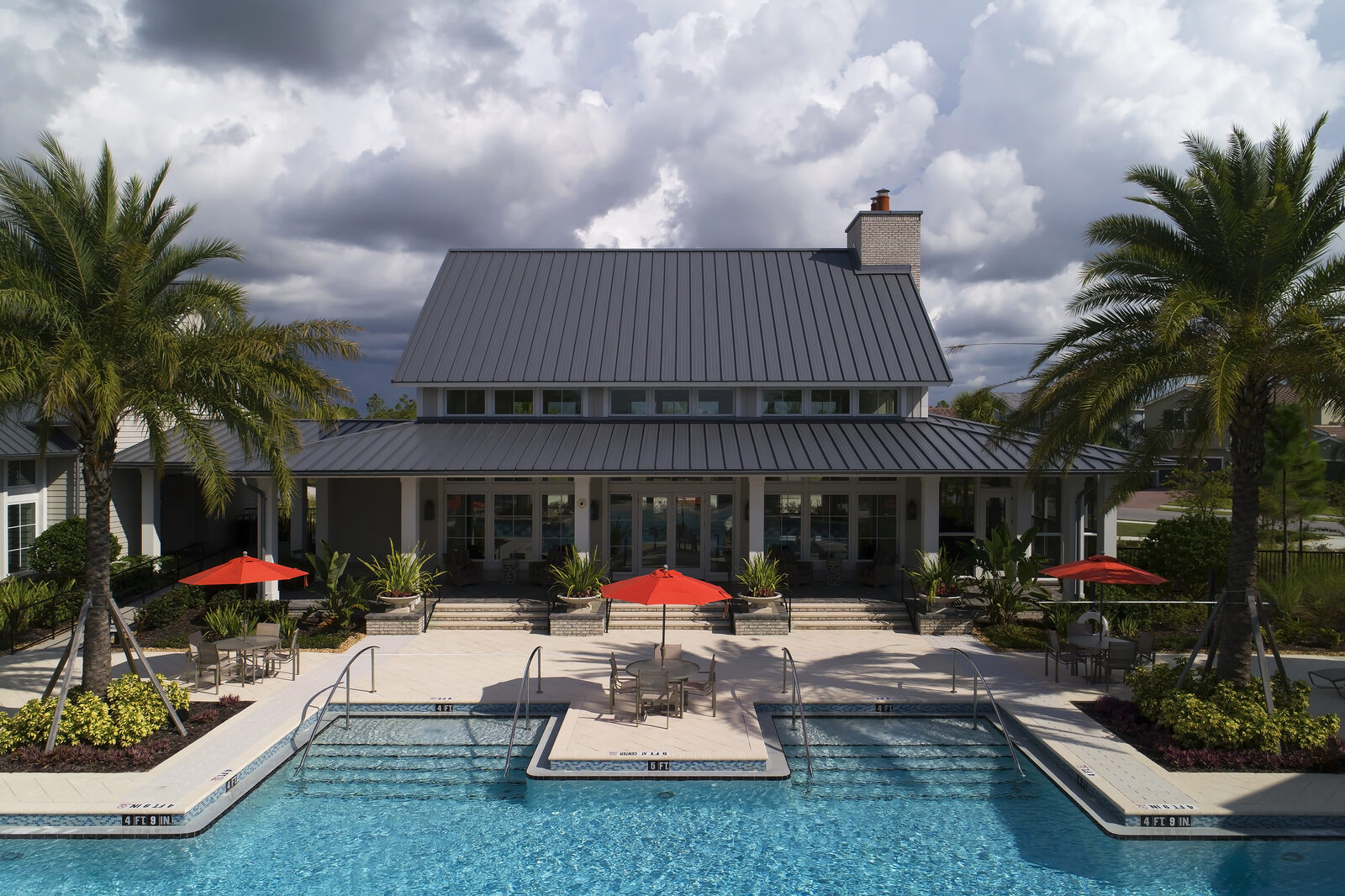
Polk City
Polk County · Suburb
Winter Haven
Polk County
Get a Free Metal Roofing Estimate in Lakeland-Winter Haven
Tell us about your project and a certified Sherwin MetalVue professional in your area will follow up with a free, no-obligation estimate.
Sherwin-Williams is not liable for the conduct, performance, or workmanship of any contractor.